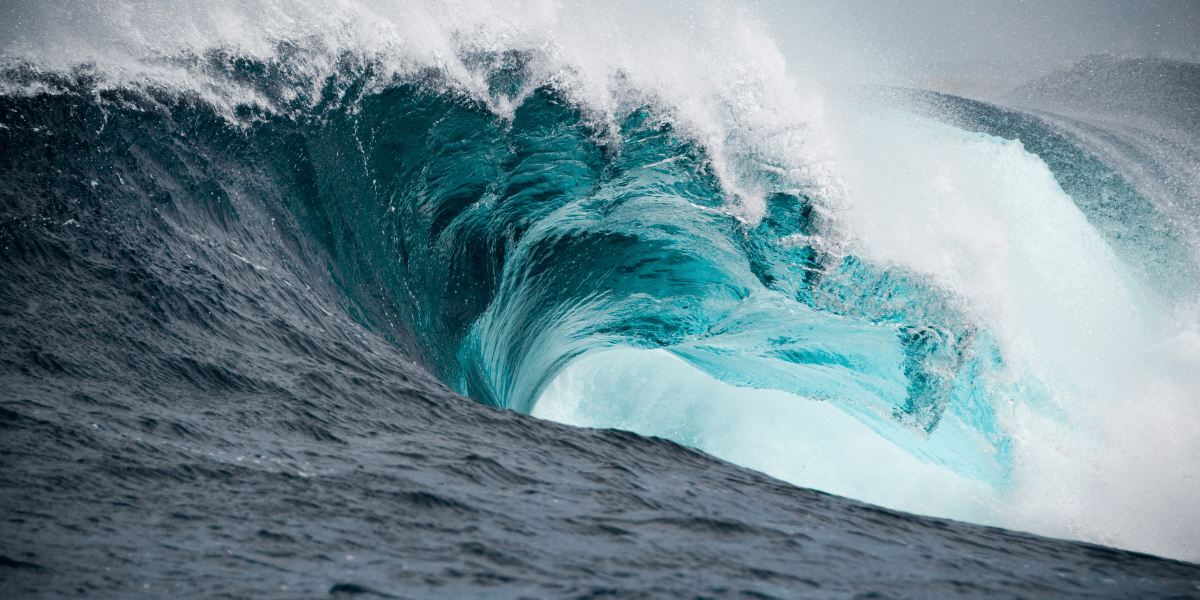
Moscow, July 30: One of the most powerful earthquakes in recent history struck off Russia’s Far Eastern Kamchatka Peninsula early Wednesday, triggering tsunami waves as high as 4 metres and setting off emergency warnings across a vast stretch of the Pacific Ocean.
The 8.7-magnitude quake, recorded off the coast of Kamchatka, sent ripples of fear through countries on both sides of the Pacific Rim. According to officials, the epicenter was located approximately 119 kilometres from Petropavlovsk-Kamchatsky, a key port city with a population of about 180,000.
The immediate impact was felt across Russia’s eastern coastline, where authorities reported structural damage in certain regions, although no major injuries or fatalities were initially recorded.
Tsunami waves reaching between 3 and 4 metres (10 to 13 feet) struck coastal areas of the Kamchatka Peninsula shortly after the quake. Local emergency teams moved swiftly to evacuate communities closest to the shore.
Governor Valery Limarenko of the region confirmed that tsunami waves reached Severo-Kurilsk, a major settlement in the Kuril Islands, and said precautionary evacuations had been executed successfully.
Japan’s Meteorological Agency also detected tsunami activity along the southern coast of Hokkaido, the country’s northernmost main island. In Tokachi, waves measuring 40 centimetres were recorded, while another 30-centimetre wave reached Nemuro on the eastern coast.
Though relatively small in comparison to the waves seen in Russia, the Japanese government issued warnings and encouraged residents in coastal areas to remain alert and prepared for further developments.
The Pacific Tsunami Warning Centre (PTWC) based in Hawaii quickly issued tsunami alerts for multiple regions across the Pacific basin. The advisory indicated the potential for waves exceeding 3 metres in certain coastal areas, depending on local geography and ocean floor dynamics.
Regions on high alert included Alaska, Hawaii, the western coast of the United States, Chile, the Solomon Islands, and parts of New Zealand.
In Hawaii, warning sirens rang out across Honolulu and other low-lying areas, leading to widespread movement toward higher ground. Hotels and public buildings coordinated with emergency services to evacuate vulnerable zones.
The PTWC emphasized the need for swift protective measures. “Urgent action should be taken to protect lives and property,” read an official alert. “Tsunami waves may reach some coastlines with little warning.”
While the scale of destruction remains under assessment, initial reports suggest that preparedness and rapid communication helped minimize damage. The quake serves as a stark reminder of the volatile tectonic landscape along the Pacific Ring of Fire – a region prone to intense seismic and volcanic activity.
Experts are closely monitoring the situation for aftershocks, which are common following an earthquake of such magnitude. Emergency teams in Russia, Japan, and across the Pacific are maintaining readiness as data continues to flow in from various monitoring stations.
This event marks one of the most widespread tsunami alert responses in recent years, underscoring the importance of regional cooperation in the face of natural disasters. Scientists and disaster management authorities have reiterated the need for updated warning systems and better coastal evacuation planning, especially for remote island regions and heavily populated coastal cities.
As of now, no casualties have been confirmed, but residents across affected regions remain on edge as authorities monitor the situation and brace for possible aftershocks.