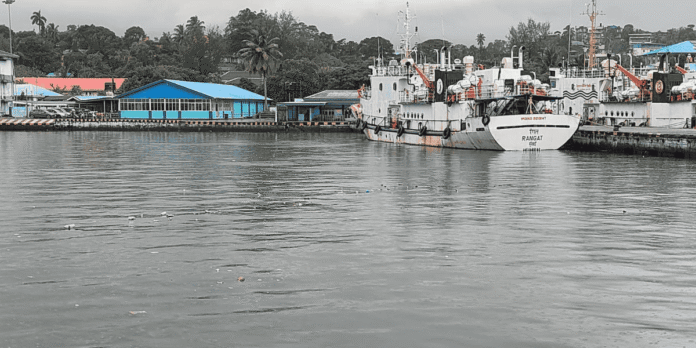
The introduction of a ₹300 fuel surcharge per passenger, per sector, by private ferry operators on key inter-island routes has triggered concern within the tourism sector of the Andaman and Nicobar Islands, with stakeholders warning that the move could raise travel costs and hurt visitor traffic.
The surcharge, announced by operators including Nautika and Makruzz for sectors such as Swaraj Dweep (Havelock) and Shaheed Dweep (Neil), comes at a time when tourism stakeholders are already grappling with high travel costs and a fragile operating environment.
Industry voices said the increase could have a wider impact on the islands’ tourism-driven economy, particularly because ferry travel is central to most visitor itineraries. Any increase in inter-island transport costs, they said, directly affects the attractiveness of holiday packages and overall visitor spending.

Addressing the media, John Robert Babu, president of the District Congress Committee (South Andaman), said the sudden fare increase could discourage tourists and place additional pressure on a sector that is already facing challenges.
He said tourists travelling across multiple sectors could end up paying an additional ₹900 per person, significantly raising the overall cost of travel, especially for families and group travellers.
Babu also said the surcharge has created difficulties for travel agents and tour operators who had already finalised packages based on earlier ferry fares. According to him, many operators may now be forced either to absorb the additional burden or renegotiate package rates with clients at short notice.
Why fares rose
Private ferry operators have attributed the surcharge to rising marine fuel prices, saying the increase is necessary to keep services viable. In effect, the operators are treating the surcharge as a cost-recovery measure, arguing that the cost of running ferry services has gone up as fuel prices have hardened.
The rise in fuel costs is being linked to the ongoing conflict in the Middle East, which has increased pressure on global energy markets. Tourism stakeholders said that when fuel prices rise internationally, the impact is felt on marine transport costs as well, making inter-island ferry operations more expensive.
Stakeholders, however, said the timing of the fare revision could amplify its impact on tourism, particularly if it adds to the perception of the islands as an increasingly expensive destination.
Babu urged the administration to step in and examine possible relief measures, including temporary support on fuel costs or waivers on operational charges such as jetty fees, passenger fees and berthing charges. Such measures, he said, could help ease the burden on both ferry operators and passengers.

He also called for discussions involving the administration, private ferry operators, tourism stakeholders and political representatives to arrive at a balanced solution.
Seeking greater transparency, Babu said the administration should clarify the extent of recent increases in marine fuel and other related costs so that the public has a clear understanding of the reasons behind the surcharge.
With the revised fares set to come into effect from March 23, tourism stakeholders warned that any sustained increase in transportation costs could have a cascading effect on visitor movement, package pricing and overall tourism activity in the Andaman and Nicobar Islands.