A powerful earthquake struck northeastern Japan late Monday night, triggering tsunami warnings along the Pacific coast, injuring at least 30 people and prompting the suspension of nuclear-contaminated wastewater discharge from the Fukushima Daiichi Nuclear Power Plant, authorities said.
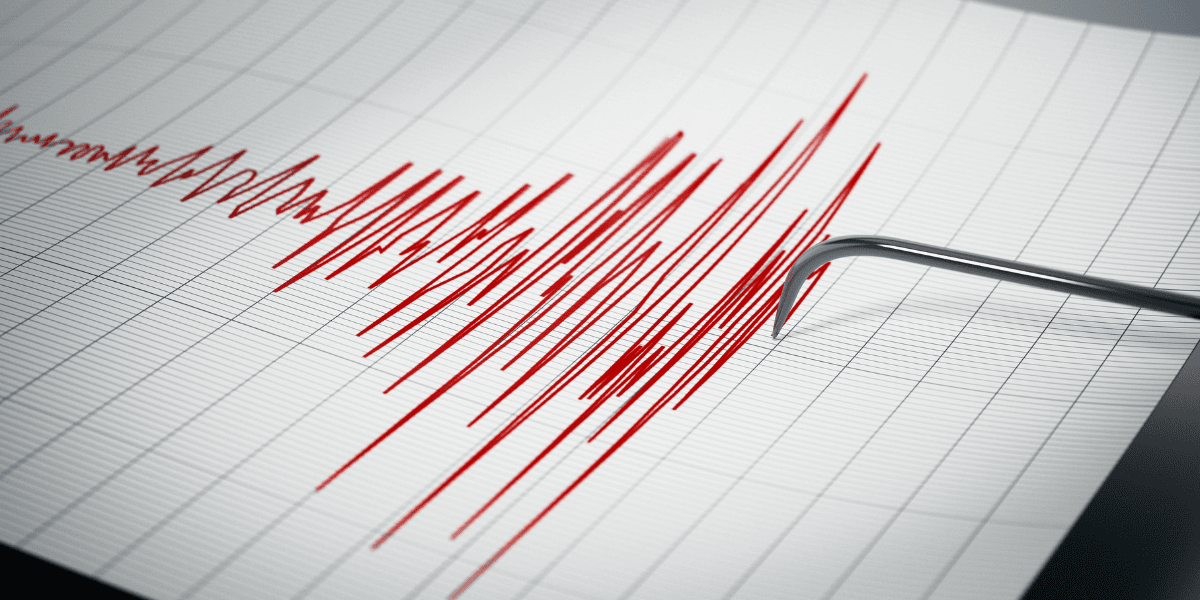
The tremor occurred at 11:15 p.m. local time off the eastern coast of Aomori Prefecture at a depth of around 50–54 km, according to the Japan Meteorological Agency (JMA). The quake was initially estimated at magnitude 7.6 before being revised to 7.5. It registered an upper 6 on Japan’s seismic intensity scale of 7 in parts of Aomori, a level at which standing becomes difficult.
Following the quake, the JMA issued tsunami warnings for coastal areas of Aomori, Iwate and Hokkaido prefectures, cautioning that waves of up to 3 metres could strike the shoreline. Residents in affected regions were urged to immediately evacuate to higher ground.

Tsunami waves were later observed, measuring about 50 centimetres in Urakawa, Hokkaido, at 12:21 a.m. local time and at Kuji Port in Iwate Prefecture at 12:10 a.m. The highest observed waves reached 70 centimetres along parts of the Iwate coast. About three and a half hours after the quake, the tsunami warning was downgraded to an advisory, which was fully lifted at 6:20 a.m. on Tuesday.
Tokyo Electric Power Company (TEPCO) said the discharge of nuclear-contaminated wastewater from the Fukushima Daiichi Nuclear Power Plant into the ocean was halted at 11:42 p.m. following the tsunami warning. No abnormalities were reported at nuclear facilities in Hokkaido or the northeastern prefectures of Aomori, Miyagi and Fukushima, according to public broadcaster NHK.
Local governments in Aomori and Hokkaido reported several non-life-threatening injuries. In Aomori Prefecture alone, around 2,700 households experienced power outages, Japanese media reported.
The quake also disrupted transportation. Japan Railways suspended Tohoku Shinkansen bullet train services in both directions between Fukushima Station and Shin-Aomori Station as a safety precaution.

Chief Cabinet Secretary Minoru Kihara said the government was collecting information on casualties and damage, while a crisis management office was set up at the Prime Minister’s Office shortly after the quake.
The JMA warned that the earthquake occurred along an active trench off the coasts of Hokkaido and northeastern Japan, where major seismic events can occur due to tectonic plate movement. A special advisory was issued, stating there is a one-in-100 chance of a magnitude 8 or higher quake occurring within the next seven days. Authorities urged residents to remain vigilant and follow official updates.