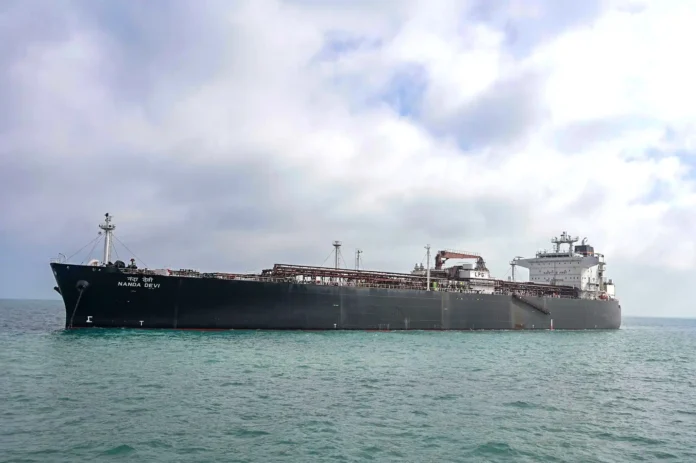
A new complication has emerged in the already strained geopolitical environment as Iran faces challenges in clearing sea mines from the Strait of Hormuz, raising concerns over global oil supply and maritime safety.
According to a report citing US officials, Iran has been unable to locate all the mines it deployed in the vital shipping corridor during recent hostilities. The development has delayed the full reopening of one of the world’s most critical oil transit routes, through which nearly one-fifth of global oil shipments pass.
The situation carries wider implications for energy-dependent economies, including India, which relies heavily on crude oil shipments routed through the strait. The disruption risks affecting global supply chains and increasing uncertainty in energy markets.

Officials indicated that the mines were deployed last month using small boats following joint airstrikes by the United States and Israel amid rising tensions over Iran’s nuclear programme. However, the operation is believed to have been poorly documented, with some mines laid in a manner that allowed them to drift, complicating efforts to track and remove them.
US officials described the mining effort as disorganised, pointing to the heightened risks for commercial vessels navigating the route. The inability to accurately map the location of the mines has added to the complexity of restoring safe passage.
The issue has also impacted ongoing diplomatic engagements between Washington and Tehran, which are currently underway in Islamabad. While Iran has agreed to reopen the strait following a ceasefire with the United States, the presence of undetected mines continues to hinder normal shipping operations.

The Islamic Revolutionary Guard Corps has issued advisories warning vessels of potential collisions with sea mines and has urged ships to follow alternative navigation routes for safety. Authorities have kept limited transit channels open, including routes for vessels complying with specified conditions.
Despite the agreement to resume operations, the delay in mine clearance has forced authorities to implement interim safety measures, including rerouting traffic to minimise risk. The situation underscores the fragility of critical maritime routes during geopolitical conflicts.
The Strait of Hormuz remains a key artery for global energy flows, and any disruption to its operations carries immediate international repercussions. The ongoing uncertainty over mine clearance continues to pose a challenge to restoring full-scale maritime activity in the region.