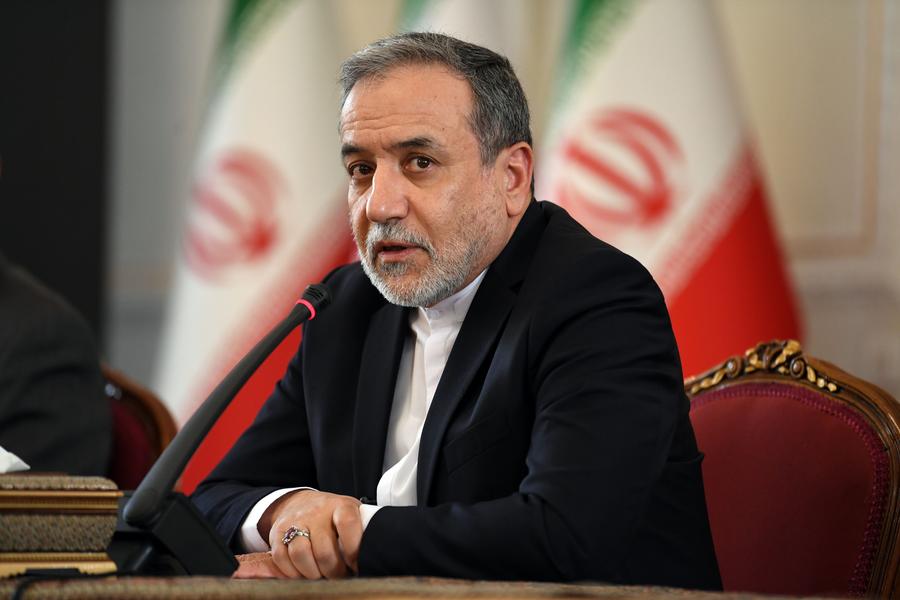
Iran’s Foreign Minister Seyed Abbas Araghchi on Monday rejected claims that Tehran had requested a ceasefire with the United States, stating that Iran has neither sought a truce nor initiated negotiations as the conflict with Washington and Israel continues to escalate.
In a message posted on social media platform X, Araghchi dismissed reports suggesting Iran had asked for a ceasefire, calling the claims “delusional”. He said Iran’s armed forces would continue their military response until US President Donald Trump acknowledges that what he described as an “illegal war” against both Americans and Iranians is wrong and should not be repeated.
Speaking later at a weekly press conference in Tehran, Araghchi said Iran’s position is focused on ensuring that the ongoing conflict ends in a way that prevents any future attacks on the country. He stated that Iran’s refusal to seek an immediate ceasefire should not be interpreted as a desire to prolong the war, but rather as an effort to ensure long-term security against further aggression.

Araghchi also accused Iran’s adversaries of attempting to pressure Tehran into accepting what he described as an “unconditional surrender”. According to him, despite mobilising significant military capabilities, Iran’s opponents have now begun seeking assistance from countries they had previously considered hostile.
He said calls are being made by Iran’s adversaries for international support to secure maritime routes in the Strait of Hormuz. Araghchi maintained that Iran restricts navigation in the strategic waterway only for countries directly involved in the conflict or aligned with its adversaries.
The conflict escalated sharply after Israel and the United States launched coordinated strikes on Tehran and several other Iranian cities on February 28. The attacks resulted in the deaths of former Supreme Leader Ali Khamenei, senior military commanders and civilians.
Iran responded by launching multiple waves of missile and drone strikes targeting Israel as well as US military bases and assets located across the Middle East.
Meanwhile, the Israeli military announced on Monday that it had destroyed an aircraft believed to be used by Iran’s senior leadership at Tehran’s Mehrabad Airport. According to a statement issued by the Israel Defence Forces, the strike targeted an Airbus A340 aircraft that had previously been used by senior Iranian political and military leaders for both domestic and international travel.
Israeli authorities said the destruction of the aircraft could disrupt communication and coordination between Tehran’s leadership and allied groups operating across the region. The military also said the strike could affect Iran’s ability to rebuild or restore military capabilities damaged during the ongoing campaign.

The aircraft reportedly had been used by senior officials, including President Masoud Pezeshkian, and had previously transported former Supreme Leader Ali Khamenei to diplomatic engagements abroad. Iranian authorities did not immediately confirm the strike.
Mehrabad Airport, located in western Tehran, is among the oldest aviation facilities in the Iranian capital. Although Tehran’s Imam Khomeini International Airport manages most long-haul international flights, Mehrabad remains the country’s busiest domestic aviation hub and also houses military infrastructure, including units of the Iranian Air Force.
Separately, the Israel Defence Forces said it carried out additional strikes on infrastructure targets in Tehran, Shiraz and Tabriz. The operations took place as the joint US-Israeli military campaign against Iran entered its seventeenth day.