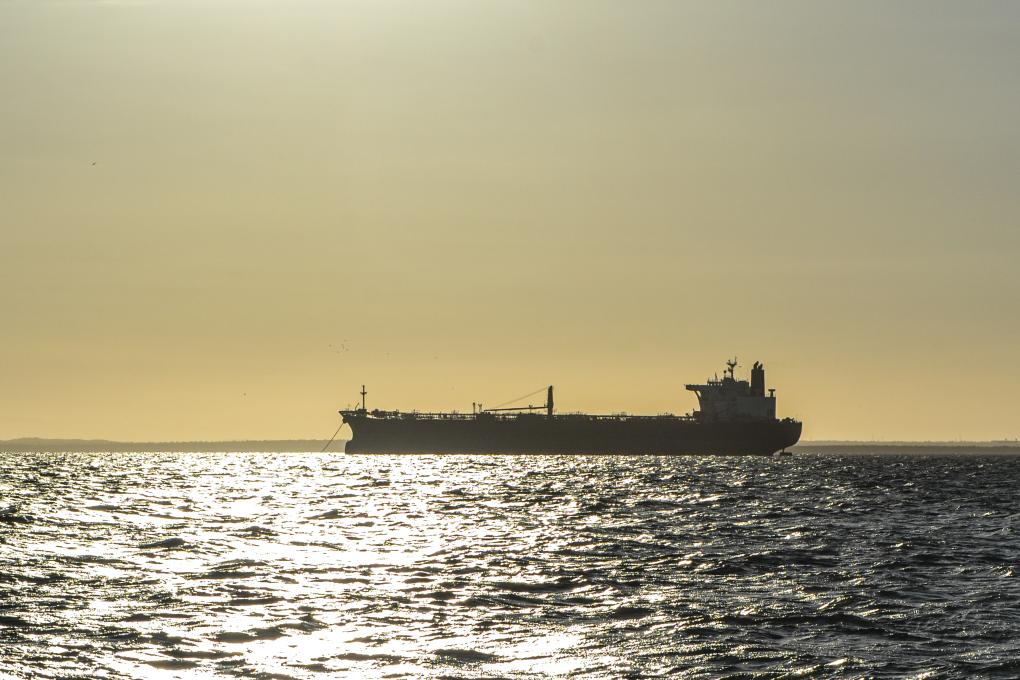
Two Indian-flagged LPG tankers have safely navigated the strategically critical Strait of Hormuz after Iran allowed Indian vessels to transit the route amid the ongoing conflict involving the United States and Israel, government sources said on Saturday.
The LPG tanker Shivalik has successfully crossed the narrow waterway and entered open sea, while a second vessel, Nanda Devi, has also safely exited the key maritime corridor, ensuring continuity in shipments vital to India’s energy supply chain.
According to government sources, Shivalik is currently under escort by the Indian Navy and is expected to arrive at an Indian port within the next two days. Officials indicated that either Mumbai or Kandla could be its destination. The vessel has already cleared the high-risk zone and continues its journey under naval guidance.

The second tanker, Nanda Devi, is carrying more than 46,000 metric tonnes of liquefied petroleum gas (LPG), an important component of India’s domestic energy supply. Sources said both vessels were guided through the sensitive maritime corridor with support from naval assets to ensure safe transit.
The development follows diplomatic engagement between Narendra Modi and Masoud Pezeshkian regarding the movement of goods and energy shipments through the region during the ongoing geopolitical crisis.
The decision by Iran to permit Indian-flagged vessels to pass through the Strait came amid heightened security concerns across the Gulf region, where the escalation of hostilities has affected shipping routes and raised fears of disruptions to global energy trade.
Earlier, Mohammad Fathali, Iran’s ambassador to India, indicated that Indian vessels could soon receive safe passage through the waterway despite the rising tensions. Speaking on Friday, he said India and Iran share common regional interests and described India as a friendly partner.
“Yes, because India is our friend. You will see it within two or three hours. We believe that Iran and India share common interests in the region,” Fathali said.
He also acknowledged assistance extended by the Indian government following the outbreak of the conflict, stating that India had supported Iran in several areas after the war began.
The ambassador’s remarks followed comments by Majid Takht-Ravanchi, Iran’s Deputy Foreign Minister, who said that Tehran had allowed ships from certain countries to pass through the Strait.
The Strait of Hormuz remains one of the most crucial maritime passages in global trade. Nearly one-fifth of the world’s oil and gas exports move through the narrow waterway, making any disruption a major concern for energy markets and shipping routes.

Meanwhile, the Ministry of Ports and Shipping said the number of Indian-flagged vessels operating in the Persian Gulf region remains unchanged at 28, adding that authorities continue to monitor the safety and security of ships and crew members.
Of these vessels, 24 ships carrying 677 Indian seafarers were positioned west of the Strait of Hormuz, while four vessels with 101 Indian crew members were located east of the waterway, according to official figures.
Officials said maritime authorities remain in close coordination with naval forces and shipping operators to track vessel movement and safeguard Indian sailors operating in the region during the ongoing tensions.