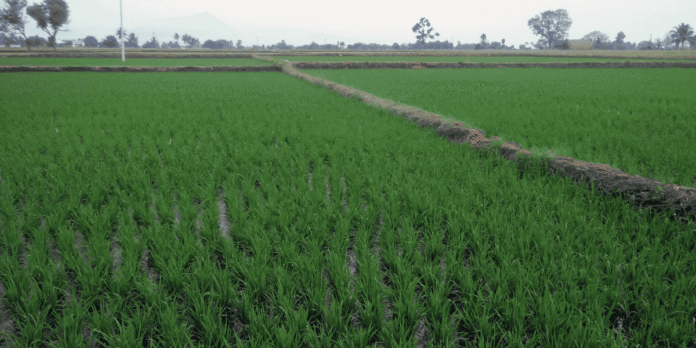
Commerce and Industry Minister Piyush Goyal said India has fully safeguarded its agriculture and dairy sectors under the India-US interim trade agreement framework, while securing lower US tariffs compared to several regional competitors.
Addressing a press conference, Goyal said India now faces comparatively lower US tariffs than neighbouring and competing economies. China faces tariffs exceeding 35 per cent, while Bangladesh and Vietnam are subject to 25 per cent duties. Among other countries, Brazil faces tariffs of about 50 per cent, Myanmar and Laos around 40 per cent each, and South Africa about 30 per cent.
The minister emphasised that sensitive agricultural segments, including grains, fruits, vegetables, spices, oilseeds, dairy, poultry and meat, remain protected. He said there has been no compromise on India’s dairy sector and no conditions have been accepted that could affect it.

According to Goyal, several Indian agricultural products will now enter the US market duty-free. These include tea, spices, coconut oil, vegetable wax, areca nut, Brazil nuts, chestnuts and various fruits and vegetables. Additional items such as vegetable roots, cereals, barley, bakery products, cocoa products, sesame seeds, poppy seeds and citrus juice will also face no reciprocal tariffs.
He said the agreement ensures that genetically modified products will not be permitted into India and that staple crops such as maize, rice, wheat, millets and ragi will remain unaffected. Fruits widely grown domestically, including banana and citrus varieties, will continue to be protected, along with meat, poultry, dairy products, soyabean, sugar and cereals.
Beyond agriculture, the minister noted that several export-oriented sectors will benefit from duty-free access. Gems and jewellery, pharmaceuticals, aircraft parts, machinery components, generic drugs and related pharmaceutical products are among sectors expected to gain improved export competitiveness. Other items eligible for zero duty include coins, platinum, clocks and watches, essential oils, select home décor items such as chandeliers, seeds and certain inorganic chemicals and compounds.
The textile and leather industries are also expected to benefit, with silk products included among goods receiving zero-duty access. Goyal said these measures are intended to expand export opportunities while safeguarding domestic interests.

Earlier, the minister said the interim trade agreement framework would enable India and the United States to deepen economic cooperation while promoting sustainable growth for businesses and citizens in both countries. He noted that the framework opens access to what he described as a $30 trillion market for Indian exporters, particularly MSMEs, farmers and fishermen, with export growth expected to generate significant employment opportunities for women and youth.
Goyal said India has secured preferential access for its goods under the interim framework and described the agreement as balanced, aimed at supporting exporters while protecting farmers and domestic industries. He added that the partnership is expected to strengthen bilateral trade ties, expand business opportunities and support broader economic growth.
Reiterating the government’s position, he said the agreement does not adversely affect farmers, MSMEs or handloom and handicraft sectors and is intended to advance economic prospects while maintaining safeguards for key domestic industries.