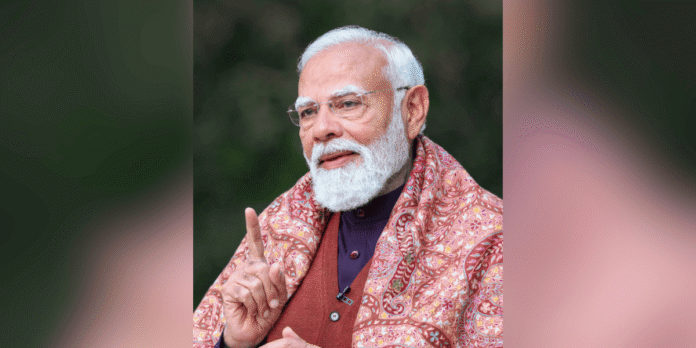
India and the United States have finalised a framework for an interim trade agreement under which US tariffs on Indian goods will be reduced to 18 per cent, a move Prime Minister Narendra Modi described as “great news” for both countries and a step towards strengthening bilateral economic ties.
In a message posted on social media platform X, Modi said the framework reflects the growing trust and depth in the India-US partnership. He noted that the agreement is expected to reinforce the ‘Make in India’ initiative by opening new opportunities for farmers, entrepreneurs, MSMEs, startups, and fishermen while supporting employment generation, particularly for women and youth.
The Prime Minister also highlighted the shared commitment of both countries to promoting innovation and strengthening investment and technology partnerships. He said the framework is intended to support resilient supply chains, contribute to global economic growth, and advance India’s broader development goals.
Earlier, Commerce and Industry Minister Piyush Goyal said the agreement will help both countries remain focused on expanding economic cooperation, reflecting a shared commitment to sustainable growth for businesses and citizens. According to him, the framework opens access to what he described as a $30 trillion market for Indian exporters, particularly MSMEs, farmers, and fishermen, with export expansion expected to create large-scale employment opportunities.

As part of the framework, reciprocal US tariffs on Indian goods will be cut to 18 per cent. This is expected to create market opportunities in sectors such as textiles and apparel, leather and footwear, plastics and rubber products, organic chemicals, home décor, artisanal goods, and select machinery within the US market.
In addition, tariffs on several categories, including generic pharmaceuticals, gems and diamonds, and aircraft parts, are expected to drop to zero, which officials say will strengthen India’s export competitiveness and provide support to domestic manufacturing initiatives.
The agreement also includes exemptions for India under Section 232 provisions on aircraft parts, a preferential tariff rate quota for auto components, and negotiated outcomes relating to generic pharmaceuticals. These provisions are expected to deliver export gains in these sectors.
At the same time, the framework maintains safeguards for India’s agricultural interests. Sensitive agricultural and dairy products, including maize, wheat, rice, soya, poultry, milk, cheese, ethanol fuel, tobacco, certain vegetables, and meat products, remain fully protected to preserve rural livelihoods and farmer interests, according to Goyal.

The framework further outlines a pathway toward broader tariff elimination on selected Indian exports, contingent on the successful conclusion of the interim agreement. The targeted sectors include pharmaceuticals, gems and diamonds, and aircraft components, where India already maintains a significant global market presence, and US demand remains strong.
Washington is also expected to remove tariffs previously imposed on certain Indian aircraft and related components under national security measures linked to aluminium, steel, and copper imports. India will additionally benefit from a preferential tariff quota on automotive parts affected by US national security tariffs.
Overall, the interim agreement framework signals an effort by both countries to deepen economic cooperation, enhance trade flows and strengthen supply chains while maintaining sector-specific safeguards.