The Union government on Tuesday said India has begun sourcing liquefied petroleum gas (LPG) from multiple global suppliers, including the United States, to ensure uninterrupted availability as geopolitical tensions disrupt traditional supply routes in West Asia.
Officials confirmed that LPG distribution across the country remains stable, with no reported shortages at the consumer level despite disruptions in maritime traffic through the Strait of Hormuz.
Sujata Sharma, Joint Secretary in the Ministry of Petroleum and Natural Gas, said during an inter-ministerial briefing that oil marketing companies have initiated procurement from alternative sources to reduce dependence on the Gulf. She noted that while a significant portion of LPG imports continues to come from the region, diversification efforts are underway to strengthen supply resilience.

Sharma also stated that India is receiving higher volumes of crude oil as part of its broader strategy to diversify energy imports. She added that commercial LPG supply chains have started stabilising, with several states resuming regular distribution.
To manage demand pressure, authorities have activated alternative fuel options such as kerosene and coal. This move is aimed at reducing the burden on LPG consumption during a period of supply uncertainty.
Data shared by the ministry indicated that panic-driven demand is showing signs of easing. LPG bookings, which had surged to 89 lakh on March 13, have declined to around 70 lakh. Officials attributed this reduction to improved supply visibility and public advisories discouraging stockpiling.
The government maintained that LPG refill distribution rates remain unchanged and urged consumers to avoid hoarding or engaging in black-market purchases. It reiterated that supply chains are functioning normally and that distributors continue to meet demand without disruption.
According to the ministry, refineries across the country are operating at full capacity, ensuring adequate availability of petrol and diesel alongside LPG supplies. The adoption of digital booking platforms has also contributed to smoother distribution and reduced pressure on physical supply channels.
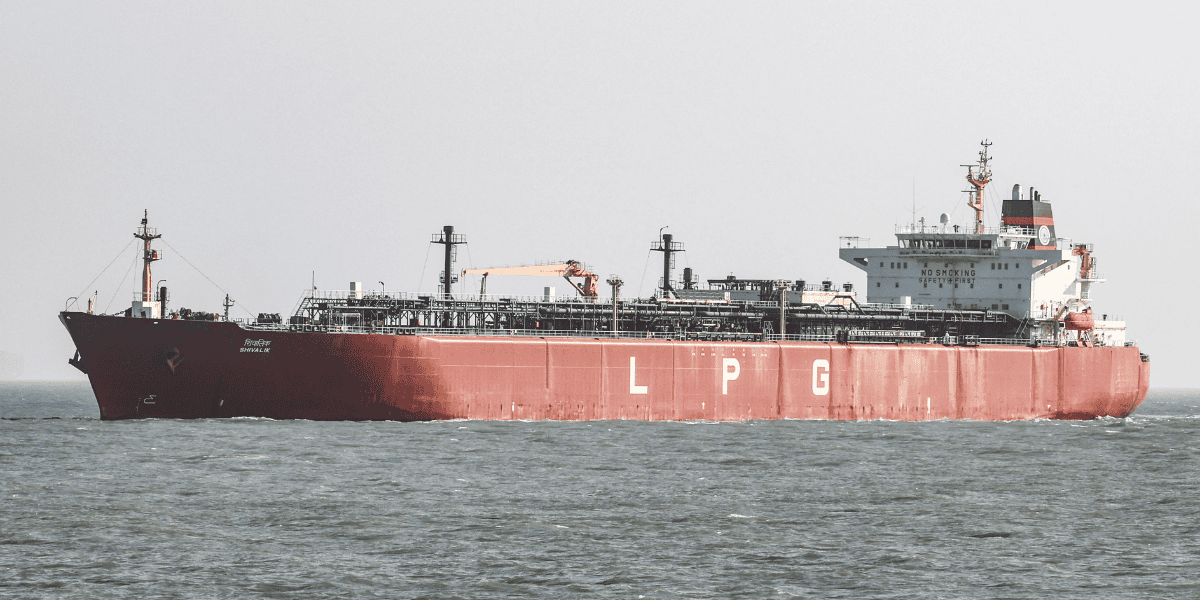
Amid these developments, the Indian-flagged LPG tanker Nanda Devi arrived at Vadinar Port in Gujarat on Tuesday, marking the second such vessel to reach the west coast this week. Another tanker, Shivalik, had docked at Mundra Port a day earlier, both carrying essential LPG supplies.

The vessels navigated through the Strait of Hormuz, a critical global shipping corridor currently affected by tensions involving Iran, the United States and Israel. The route has witnessed disruptions in maritime traffic, raising concerns over fuel supply chains worldwide.
Officials indicated that the safe arrival of these tankers reflects ongoing logistical coordination and diplomatic engagement aimed at securing energy shipments. Measures include close monitoring of shipping routes and coordination with relevant authorities to ensure the safety of merchant vessels.
As the conflict continues to impact global energy logistics, India’s strategy to diversify import sources and maintain supply continuity is aimed at shielding domestic consumers from volatility. Authorities emphasised that current stock levels and supply mechanisms are sufficient to meet demand, while urging the public to rely on official channels for information and avoid unnecessary panic.