India is positioning itself as a global hub for electro-technology manufacturing while accelerating its transition towards renewable energy, according to a report by the World Economic Forum (WEF), which highlights a structural shift in the country’s energy and industrial trajectory.
The report states that India is advancing an alternative development model by prioritising low-cost solar power and battery technologies instead of following the fossil fuel-driven industrialisation path historically taken by Western economies and China. This approach, it notes, is reshaping how emerging markets view energy transition strategies.
India’s energy profile has undergone notable changes in recent years. As of 2025, solar power contributes around 9 per cent of the country’s electricity generation. At the same time, coal consumption per capita remains significantly lower compared to global benchmarks, and overall coal-based power generation is approaching its peak, indicating a potential shift away from heavy reliance on fossil fuels.

The report also highlights trends in fuel consumption, noting that India’s per capita road oil demand stands at 96 litres, roughly half of China’s level at a similar stage of economic development. It suggests that this demand is unlikely to increase substantially, reflecting a broader transition in energy use patterns.
Electric mobility is identified as a key driver of this shift. Electric vehicles currently account for nearly 5 per cent of car sales in India, with adoption accelerating rapidly. In the three-wheeler segment, electric models dominate a significant share of the market, approaching 60 per cent, placing India among global leaders in this category.
Electricity usage has also expanded, now accounting for nearly 20 per cent of final energy consumption. This level aligns with China’s energy mix at comparable income levels and is on par with several advanced economies, according to the report.
Cost dynamics are also influencing the transition. The WEF report points out that when China reached a threshold of 1,500 kWh per capita electricity consumption, coal was significantly cheaper than solar. In contrast, as India approaches a similar stage, solar power combined with storage is estimated to cost about half as much as new coal-based generation, altering the economics of energy production.

The shift in energy strategy is also driving industrial growth. India’s electronics sector has expanded nearly six-fold over the past decade to reach $130 billion. The report identifies this sector as a foundation for broader electro-tech manufacturing capabilities, including solar modules, batteries, and electric vehicles.
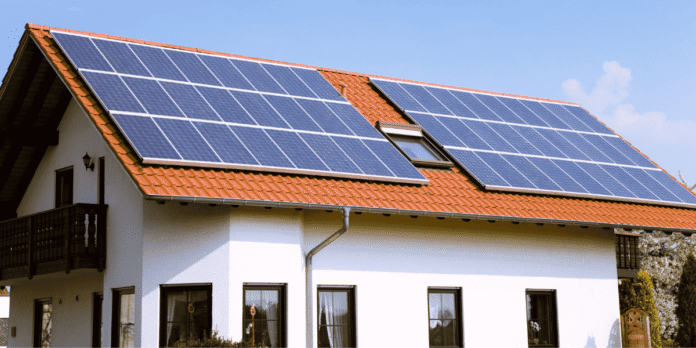
Solar manufacturing capacity has seen substantial growth, with module production increasing twelve-fold to 120 GW, exceeding domestic requirements. Cell manufacturing capacity, which was minimal a decade ago, has reached 18 GW. Parallel developments are taking place in battery and electric vehicle production, indicating a scaling up of domestic capabilities.
The report concludes that India is building the capacity to supply electro-technology products globally, supported by its evolving energy strategy and expanding manufacturing base.