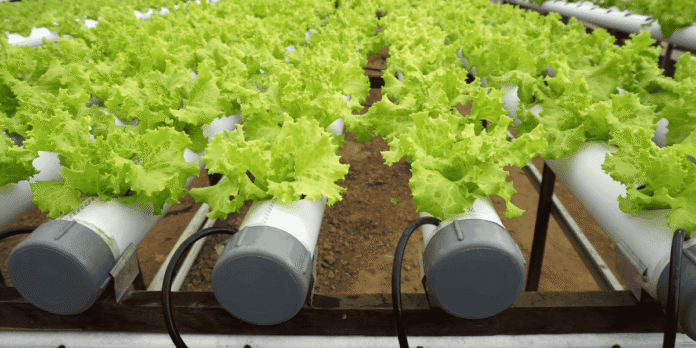
A two-day training programme focusing on hydroponic fodder production and Azolla cultivation was conducted at the Veterinary Sub-Dispensary in Maccapahad as part of efforts to address fodder scarcity and improve livestock productivity in the Andaman and Nicobar Islands.
The programme was organised by the Department of Animal Husbandry and Veterinary Services under the Andaman and Nicobar Administration and aimed at equipping farmers with practical, low-cost solutions for year-round green fodder availability. The initiative forms part of the department’s strategy to promote sustainable livestock management practices suited to the islands’ limited land and resource conditions.
The training was inaugurated by the Sarpanch of Gram Panchayat Beodnabad, who highlighted the relevance of alternative fodder systems in regions where conventional fodder cultivation is constrained by space, soil conditions and seasonal variability. The programme underscored the growing need for efficient fodder technologies as livestock ownership continues to play a key role in rural livelihoods.

Detailed technical sessions were conducted by the Senior Veterinary Officer from the Veterinary Dispensary at Rangachang, who explained the complete process of hydroponic fodder production in a structured manner. The sessions covered the concept and advantages of hydroponic systems, step-by-step production methods, selection of suitable seeds, space and water requirements, and options for automation depending on scale and resources available with farmers.
Participants were also introduced to different growth stages of hydroponic fodder, cleanliness and hygiene protocols essential for maintaining fodder quality, and expected biomass yields under controlled conditions. Nutritional aspects of various fodder varieties were discussed in detail, along with their impact on milk yield, meat production and overall animal health. Feeding methods and integration of hydroponic fodder into existing livestock diets were also explained.
To enhance understanding, a video demonstration showcasing the entire hydroponic fodder production process was screened during the programme. The visual presentation helped participants better grasp practical aspects such as tray preparation, watering schedules, harvesting cycles and daily maintenance routines.
Azolla cultivation, another low-cost and nutrient-rich fodder alternative, was also covered during the training. Farmers were briefed on its nutritional value, cultivation techniques, and its role as a supplementary feed that can reduce dependence on commercial concentrates while improving protein intake for livestock.

The programme witnessed active participation from attendees, who engaged in interactive discussions and sought clarifications on adapting hydroponic and Azolla-based systems to their local conditions. Practical concerns related to initial setup costs, maintenance, water usage and scalability were addressed during the sessions.
Officials noted that such training programmes are critical for promoting sustainable animal husbandry practices in the islands, where fodder availability often fluctuates due to climatic and logistical constraints. By introducing modern yet affordable technologies, the department aims to strengthen livestock-based livelihoods while reducing input costs for farmers.
The training at Maccapahad reflects the department’s continued emphasis on capacity building and technology-driven solutions to enhance livestock productivity and resilience in rural and semi-rural areas of the Andaman and Nicobar Islands.