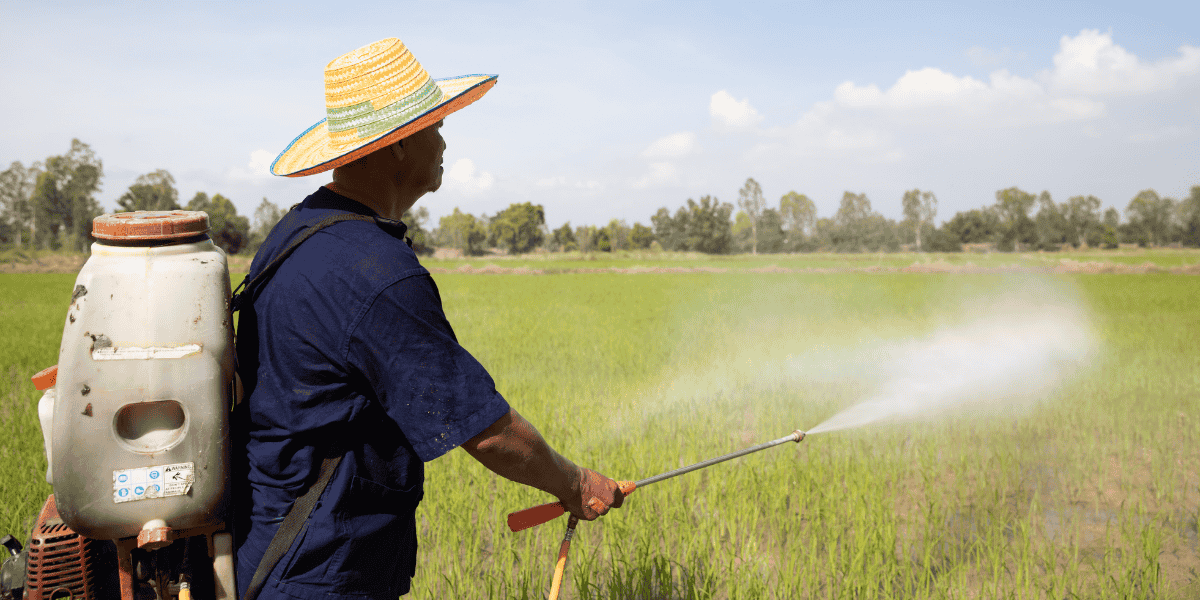
After a gap of nearly five years, the supply of chemical fertilisers to the Andaman and Nicobar Islands has resumed, marking a significant development for the territory’s farming community ahead of the upcoming cropping season. The Department of Agriculture has confirmed the arrival of the first consignment at Sri Vijaya Puram, aimed at addressing long-standing demands from farmers across the islands and strengthening agricultural activity in the geographically isolated region.
The resumed supply has been aligned with the principles of Integrated Nutrient Management, with emphasis on balanced fertiliser use, soil health improvement and sustainable crop productivity. Officials have indicated that the focus will remain on judicious application of chemical inputs, guided by soil-based recommendations, to avoid excessive or imbalanced usage that could affect long-term soil fertility.
The first consignment comprises 225 metric tonnes of neem-coated urea and 375 metric tonnes of di-ammonium phosphate. According to the Agriculture Department, the fertilisers have reached Sri Vijaya Puram and are expected to be transported onward to sub-depots across the islands, including interior and remote areas. Areas notified under Large Area Certification of Organic Farming have been excluded from chemical fertiliser distribution in line with existing policy.

Distribution to farmers is expected to commence from the first week of January 2026 through authorised departmental sub-depots. Given the logistical challenges posed by the island geography and dependence on sea routes, special arrangements have been made for transportation from the mainland and for onward movement within the archipelago. Officials said the aim is to ensure timely availability of fertilisers so that farmers are not adversely affected during critical stages of cultivation.
A readiness meeting involving zonal officers was held on December 17 to review distribution plans and coordination mechanisms. The department has also completed necessary technical preparations for procurement and distribution, including replacement of Point-of-Sale devices and updating of user credentials in coordination with the Ministry of Chemicals and Fertilizers. These measures are intended to enable smooth transaction tracking and prevent delays once distribution begins.
Fertilisers will be made available exclusively to bonafide farmers through authorised outlets using PoS devices. The supply will carry a 20 per cent cost subsidy along with a 100 per cent transport subsidy, a measure aimed at offsetting the high logistical costs associated with shipping agricultural inputs to the islands. Farmers have been advised to purchase fertilisers only from authorised departmental sub-depots and to strictly follow recommended dosages based on soil health advisories.

The resumption of chemical fertiliser supply is expected to provide timely input support for both ongoing and upcoming cropping seasons. Agriculture officials believe this will contribute to improved farm productivity, particularly for farmers who depend on conventional nutrient management practices alongside organic inputs. The move is also seen as an effort to stabilise input availability after several years of limited access, during which farmers had to rely on alternative arrangements or reduced application.
Officials said the current procurement reflects a calibrated approach, balancing productivity needs with sustainability concerns. With transport subsidies and controlled distribution mechanisms in place, the administration expects fertiliser availability to reach farmers across the islands without disruption, supporting agricultural livelihoods and reinforcing food production capacity in the Andaman and Nicobar Islands.