A block-level training programme aimed at strengthening community-based child protection mechanisms was organised at Ferrargunj, bringing together local institutions, officials and students to focus on addressing child-related needs through the Bal Sabha platform.
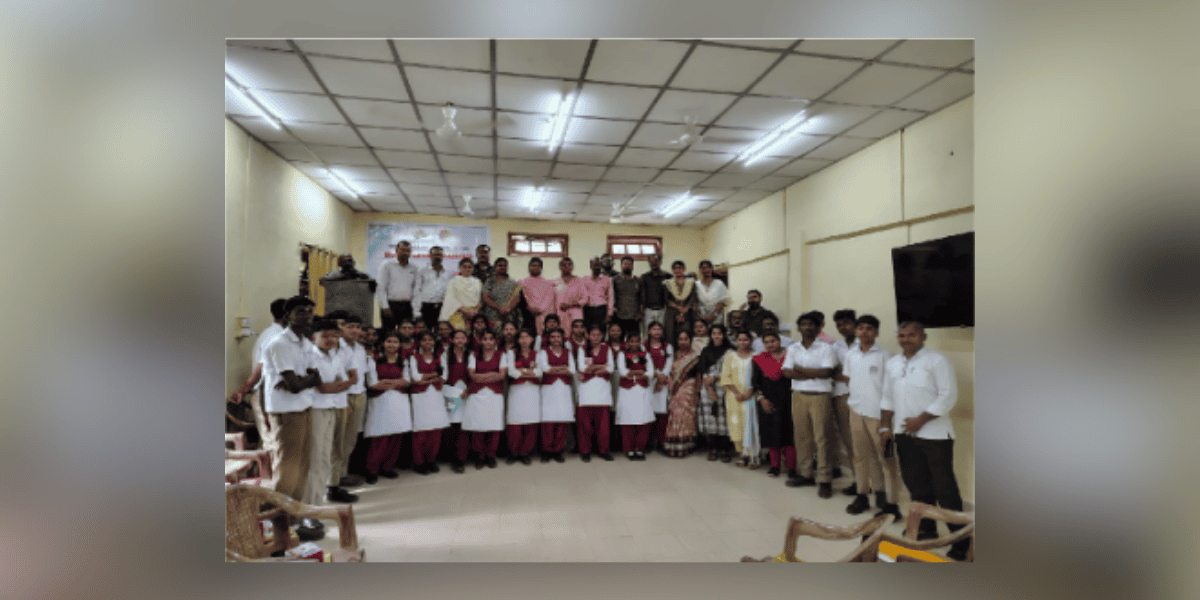
The programme was held at the Community and Multipurpose Training Centre building in Ferrargunj and was organised by the Block Development Office as part of efforts to enhance awareness and coordination around child welfare and protection at the grassroots level. A total of 69 participants attended the training, including panchayat functionaries, members of Child Protection Committees and students.
The training placed emphasis on the role of local communities and institutions in identifying, preventing and responding to issues affecting children. Officials highlighted the importance of community-level vigilance and structured platforms such as Bal Sabha in giving children a voice and ensuring their concerns are addressed within the village governance framework.
The initial technical session focused on child protection systems and was conducted by a resource person from the District Child Protection Unit. The session outlined key aspects of child welfare, including institutional mechanisms, reporting structures and the responsibilities of various stakeholders involved in safeguarding children’s rights.
This was followed by an activity-based learning session designed to encourage participation and teamwork among attendees. Through structured communication and collaboration exercises, participants engaged with the subject matter in a practical manner. The interactive format was intended to reinforce learning outcomes and highlight the importance of coordinated action among different community actors.

To sustain participant engagement, prizes were awarded to the winning team in the activity session. The approach underscored the value of participatory methods in training programmes, particularly when addressing sensitive and complex topics such as child protection and welfare.
A subsequent session focused on cyber safety and legal provisions related to child protection. Participants were sensitised to the risks associated with digital platforms and informed about relevant sections of the Protection of Children from Sexual Offences Act. The discussion highlighted safety measures, reporting mechanisms and legal safeguards available to protect children from online and offline exploitation.
Another interactive segment addressed child-related legislation, including provisions of the Child Marriage Act and the Protection of Children from Sexual Offences Act. These topics were explained using practical examples to improve understanding among participants, many of whom play frontline roles in community governance or child-related activities.
The training sought to bridge gaps between legal frameworks and ground-level implementation by equipping participants with basic knowledge and practical insights. By bringing together panchayat representatives, child protection committee members and students, the programme aimed to foster shared responsibility and collective action.
Such block-level initiatives are increasingly being viewed as essential to strengthening child protection systems, particularly in rural and semi-urban areas. The Ferrargunj programme reflected an approach that combines awareness, legal literacy and participatory engagement to build safer environments for children.
Officials indicated that continued capacity-building exercises at the block and village level would be key to sustaining effective child protection mechanisms. The training concluded with an emphasis on collaboration between administrative bodies and community institutions to ensure that child welfare remains an integral part of local governance structures.