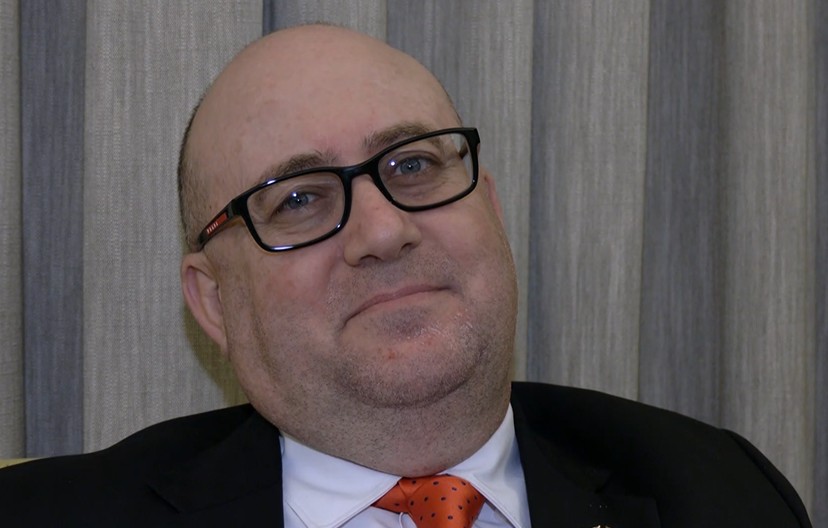
Momentum around the long-pending EU-India Free Trade Agreement has picked up ahead of the visit of senior European Union leaders to New Delhi, with the Maltese High Commissioner to India describing the deal as historic and signalling that India has emerged as a top strategic priority for Europe.
European Commission President Ursula von der Leyen and European Council President Antonio Costa are scheduled to visit India for the Republic Day celebrations and the EU-India Summit. The visit is being seen as a significant diplomatic signal at a time when negotiations on the trade agreement have entered a critical phase.
Speaking ahead of the visit, Malta’s High Commissioner Reuben Gauci said the presence of top EU leadership in India underscores the importance Europe attaches to its partnership with New Delhi. He noted that earlier high-level engagements, including a delegation-level visit by the European Commission President in February last year, had helped push negotiations forward.
The proposed EU-India Free Trade Agreement has often been described as one of the most complex trade negotiations undertaken by the European Union, given the size and diversity of both economies. The EU negotiates trade agreements on behalf of its 27 member states under its exclusive competence for common commercial policy, meaning individual countries like Malta participate through the EU framework.
From Malta’s perspective, the agreement is viewed as an opportunity to rebalance trade relations with India. Currently, Malta imports significantly more from India than it exports, a gap the country hopes to address through expanded market access and investment opportunities once the agreement is in place.
The High Commissioner highlighted that the benefits of the FTA would vary across member states, depending on economic size and sectoral strengths, but said the agreement would provide a common platform for enhanced trade across multiple sectors. The negotiations cover a wide range of areas, including goods, services, investment and regulatory cooperation.
The agreement is also being discussed against a shifting global trade backdrop. According to Gauci, the conclusion of an EU-India FTA has become more important amid rising global trade uncertainties, including tariff-related disruptions. A predictable and structured trade framework, he said, could provide greater stability for businesses on both sides.
India’s importance to the EU has also grown due to its role as a major investment destination. European investment in India supports employment and industrial activity, while Indian companies have steadily increased their presence in European markets. In Malta alone, over a hundred Indian companies are currently operating, while Maltese investment in India remains limited.
The High Commissioner expressed hope that the agreement would encourage more balanced two-way investment flows in the future. He also said the FTA, if concluded, would mark a significant milestone in India-EU relations, reflecting years of negotiations and diplomatic engagement.
With EU leaders visiting India and trade discussions high on the agenda, expectations around the agreement have intensified. While negotiations remain complex, the coming weeks are being closely watched for signs of a breakthrough that could reshape economic ties between India and the European Union.