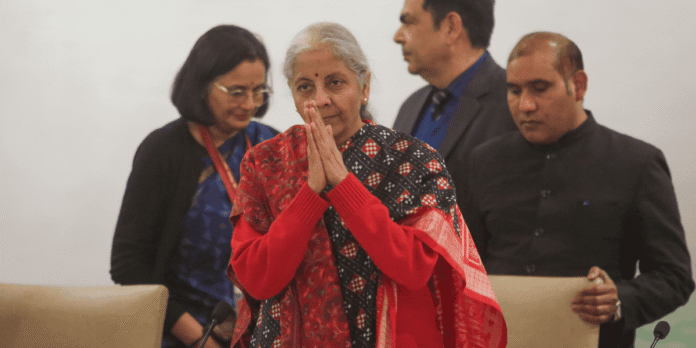
The Economic Survey 2026 was tabled in Parliament on Thursday, setting the official assessment of India’s economic performance and growth outlook ahead of the presentation of the Union Budget on February 1. The document outlines how the economy has remained resilient despite global uncertainties, including geopolitical volatility and the impact of US tariffs.
Presented by Finance Minister Nirmala Sitharaman during the Budget Session, the Survey is a key pre-budget document that reviews the state of the economy and provides projections for the current financial year (FY26) and the upcoming fiscal year (FY27). It is expected to detail India’s projected gross domestic product growth and identify short- and medium-term economic prospects.
The Economic Survey offers a comprehensive overview of annual economic developments across sectors and highlights policy challenges and reform priorities. It also examines external and domestic factors influencing growth, including currency movements, global trade conditions and geopolitical developments.

Chief Economic Advisor V Anantha Nageswaran is scheduled to brief the media later on the key findings of the Survey. According to officials, the briefing will cover major themes such as rupee depreciation, global economic volatility and the broader policy environment shaping India’s economic trajectory.
Prime Minister Narendra Modi described the occasion as a notable moment in parliamentary history, noting that Sitharaman has become the first woman to present the Union Budget for nine consecutive years. Addressing Parliament, Modi said the milestone reflected continuity in economic policymaking during the current government’s tenure.
Sitharaman is set to present the 15th Budget of the Modi-led government on February 1. This will be the second full Union Budget since the National Democratic Alliance returned to power for a third consecutive term in 2024.

The Budget Session of Parliament, which began on January 28, is scheduled to be held in two phases. The first phase will continue until February 13, after which the session will break to allow parliamentary standing committees to examine the Demands for Grants of various ministries. The second phase of the session will reconvene on March 9 and is scheduled to conclude on April 2.
In total, the Budget Session will span 30 sittings over 65 days. During this period, Parliament will debate economic policy priorities, government expenditure plans and legislative proposals linked to the Budget.
The tabling of the Economic Survey marks the formal beginning of the budgetary exercise, providing lawmakers and the public with an official snapshot of the economy before fiscal proposals are placed before Parliament.



