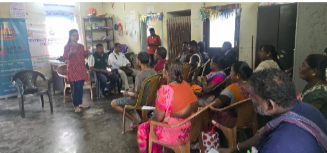
Sri Vijaya Puram, June 4: In an effort to strengthen grassroots awareness against substance abuse, the Directorate of Social Welfare of the Andaman and Nicobar Administration conducted a drug abuse prevention programme for Safai Mitras at the Garacharma Sanitary Office on Tuesday.
The programme was organized under the National Action Plan for Drug Demand Reduction (NAPDDR) in collaboration with the Anti-Narcotics Branch of the Police Department and the Integrated Rehabilitation Centre for Addicts (IRCA), South Andaman. It was conducted in coordination with the Sanitary Inspector of Garacharma and witnessed participation from sanitation workers and support staff.
The initiative focused on educating participants about the harmful effects of drug abuse and the importance of maintaining a healthy and drug-free lifestyle. Officials and resource persons highlighted the growing need for awareness and early intervention to prevent substance dependence and its social consequences.
During the programme, participants were informed about the various de-addiction and rehabilitation facilities available in the Islands. Representatives from IRCA explained the treatment and counselling services offered to individuals struggling with addiction and outlined the procedures for accessing support and rehabilitation programmes.
Resource persons emphasized that timely counselling, family support, and community intervention play critical roles in helping individuals recover from substance abuse. Participants were encouraged to seek professional assistance whenever signs of addiction are identified among family members, friends, or colleagues.

The awareness session also focused on preventive strategies aimed at promoting mental and physical well-being. Participants were encouraged to adopt positive lifestyle habits such as regular physical exercise, yoga, meditation, and spending quality time with family members. Officials noted that healthy routines and supportive social environments can help reduce stress and lower the risk of substance abuse.
Special attention was given to recognizing early warning signs associated with drug dependence. Participants were educated about behavioural and physical indicators that may signal substance abuse, enabling communities to identify vulnerable individuals and facilitate timely intervention.
The programme further highlighted the legal implications associated with narcotic drugs and psychotropic substances. Officials from the Anti-Narcotics Branch explained the penalties related to possession, consumption, and trafficking of prohibited substances. The discussion underscored the importance of public cooperation in supporting law enforcement efforts to curb drug-related activities.
Another major focus of the programme was the role of families in prevention. Resource persons stressed that parents and guardians play a crucial role in protecting children and adolescents from substance abuse. Open communication, proper supervision, awareness of peer influences, and emotional support were identified as key measures for reducing vulnerability among young people.

An interactive session formed an important part of the programme, allowing participants to share their experiences, concerns, and observations regarding substance abuse in society. Several attendees raised questions about addiction, treatment options, and the challenges faced by families affected by drug dependence.
Officials responded to the queries and reiterated that combating substance abuse requires collective responsibility from government agencies, educational institutions, families, community organizations, and individuals. They emphasized that awareness and community participation remain essential in creating a drug-free environment.
The Directorate of Social Welfare stated that it continues to implement awareness, prevention, and outreach activities across the Islands under the National Action Plan for Drug Demand Reduction and the Nasha Mukt Bharat Abhiyaan. Such initiatives are aimed at building informed communities, promoting healthy lifestyles, and strengthening public engagement in the fight against substance abuse.
The programme at Garacharma forms part of the administration’s broader efforts to spread awareness at the grassroots level and encourage community participation in safeguarding society from the harmful effects of drugs.