Deepavali, widely celebrated as Diwali, has been inscribed on UNESCO’s Intangible Cultural Heritage (ICH) List, marking a significant recognition of one of India’s most important cultural and spiritual festivals on the global stage.
UNESCO announced the decision on Wednesday through its official X handle, confirming the inclusion of Deepavali in its ICH List. The decision was taken during the ongoing session of UNESCO’s Intergovernmental Committee for the Safeguarding of Intangible Cultural Heritage, which is currently being held in New Delhi.
The inscription followed the examination of 67 nominations submitted by nearly 80 countries during the week-long deliberations of the committee, which began on Monday at the Red Fort. India is hosting the 20th session of the Intergovernmental Committee from December 8 to 13, marking the first time the country has served as host for this UNESCO panel.

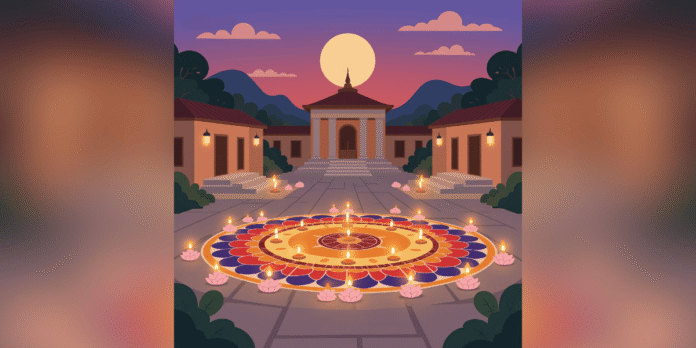
The historic Red Fort has been designated as the main venue for the session, where delegates and international representatives are attending cultural presentations linked to India’s intangible heritage. The programme includes traditional performances, ceremonial lighting of diyas, and exhibitions highlighting artistic expressions associated with Deepavali.
In view of the global event, the Delhi government has been directed to enhance festive arrangements across the national capital. Measures include illumination of prominent buildings, decorative lighting installations, placement of diyas in public areas, and organisation of cultural programmes across districts to reflect the spirit of the festival.
Meanwhile, Chhath Puja, a festival centred on the worship of the Sun God, has also been proposed for inscription on UNESCO’s Representative List of the Intangible Cultural Heritage of Humanity. The Union Ministry of Culture has referred the nomination to the Sangeet Natak Akademi for review and further action.
With the inclusion of Deepavali, India now has 16 elements on UNESCO’s Intangible Cultural Heritage List. Existing inscriptions include the Kumbh Mela, Durga Puja in Kolkata, Garba of Gujarat, Yoga, Vedic chanting, Ramlila, Kutiyattam, and Ramman, among others.

UNESCO’s ICH List aims to safeguard living cultural traditions and practices while promoting awareness of their social and cultural significance. The list covers practices, knowledge systems, rituals, festive events, performing arts, and related cultural spaces that communities recognise as part of their heritage.
The recognition of Deepavali is seen as a further affirmation of India’s rich cultural traditions and their continuing relevance in contemporary society, strengthening the country’s cultural presence at an international level.