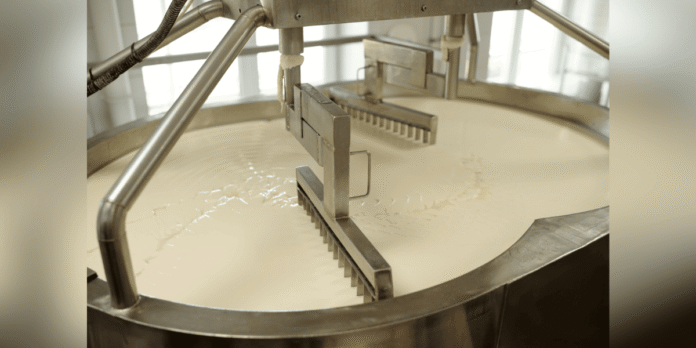
The Department of Animal Husbandry and Veterinary Services has conducted a field-level demonstration in Diglipur to promote value addition of cow and goat milk, highlighting its potential to enhance farm income and strengthen rural livelihoods in the northern part of the Andaman and Nicobar Islands.
The demonstration was organised by the Veterinary Hospital, Diglipur, in collaboration with the Agricultural Technology Management Agency, and was held at the farm of a local resident in RK Gram. The programme was aimed at creating awareness among dairy and goat farmers about processing techniques that can improve returns from milk production.
Officials explained that value addition of milk, particularly goat milk, can play a significant role in income diversification for small and marginal farmers. Farmers attending the programme were informed about the nutritional benefits of goat milk products and their growing demand, especially among children and elderly consumers.

The session focused on practical methods of processing cow and goat milk into value-added products, with emphasis on reducing post-harvest losses and improving shelf life. Officials noted that such practices can help farmers stabilise income by moving beyond raw milk sales and tapping into niche markets.
The demonstration also highlighted the role of value addition in generating rural employment and promoting participation of women through Self-Help Groups. According to the department, processing and marketing of milk products offer opportunities for collective enterprise, particularly for women-led groups in rural areas.
A large number of farmers from Diglipur and surrounding villages participated in the programme, with officials observing strong interest in adopting the techniques demonstrated. Women farmers were among the active participants, reflecting growing engagement in livestock-based livelihood activities in the region.
Department officials said the initiative forms part of a broader effort to strengthen the rural dairy and livestock sector in the islands through capacity building and technology transfer. They added that goat rearing, in particular, is well suited to island conditions and can provide a reliable supplementary income source for households with limited landholding.
The programme also addressed market trends and consumer preferences, underscoring the importance of quality, hygiene and packaging in value-added milk products. Farmers were encouraged to explore local market linkages and cooperative models to improve access and bargaining power.

According to the department, such field-level demonstrations are intended to bridge the gap between research and on-ground adoption by exposing farmers to practical, scalable techniques. Officials said similar programmes would continue to be organised across different blocks to promote entrepreneurship in the livestock sector.
The initiative aligns with the administration’s focus on sustainable livelihoods and income enhancement in rural areas, particularly through diversification of agriculture and allied activities. By encouraging value addition and local processing, the department aims to reduce dependence on external supplies while supporting self-employment and community-based enterprises.
Officials said feedback from participants would be used to design future training and support programmes, including assistance for equipment, technical guidance and linkages with existing government schemes. The department reiterated its commitment to supporting farmers in transitioning from subsistence practices to market-oriented production systems.


