In a significant development in the Dharmasthala case, the Karnataka High Court on Wednesday lifted its earlier stay on the Special Investigation Team (SIT) inquiry against a group of activists accused in connection with the controversial allegations of mass killings near the Dharmasthala temple.
A single-judge bench headed by Justice Mohammad Nawaz ruled that the SIT could continue its investigation but directed the team not to “harass” the activists during the course of the proceedings. The decision effectively ends the temporary halt on the probe, which had been imposed on October 30, when the court had stayed the investigation against four activists, Girish Mattennavar, Mahesh Shetty Timarody, Vittal Gowda, and T. Jayath.
The activists, who had been prominent voices in protests targeting temple authorities, had approached the court seeking to quash the FIR and the ongoing SIT investigation. They alleged that the case against them was driven by political, religious, and organizational motives rather than by genuine investigative grounds.
During the hearing, Special Public Prosecutor (SPP) B.N. Jagadeesh defended the SIT’s actions, stating that all investigative steps were being carried out with the consent of the magistrate. He further pointed out that the activists themselves had earlier commended the SIT’s efforts and transparency.
The prosecution also referred to a complaint filed by a man identified as Chinnayya, also known as the “masked man,” who had initially claimed to possess information about a series of crimes in the Dharmasthala area. Jagadeesh informed the court that Chinnayya’s complaint was filed at the instigation of the activists, but he later made specific allegations against them, leading to their inclusion as accused in the case.
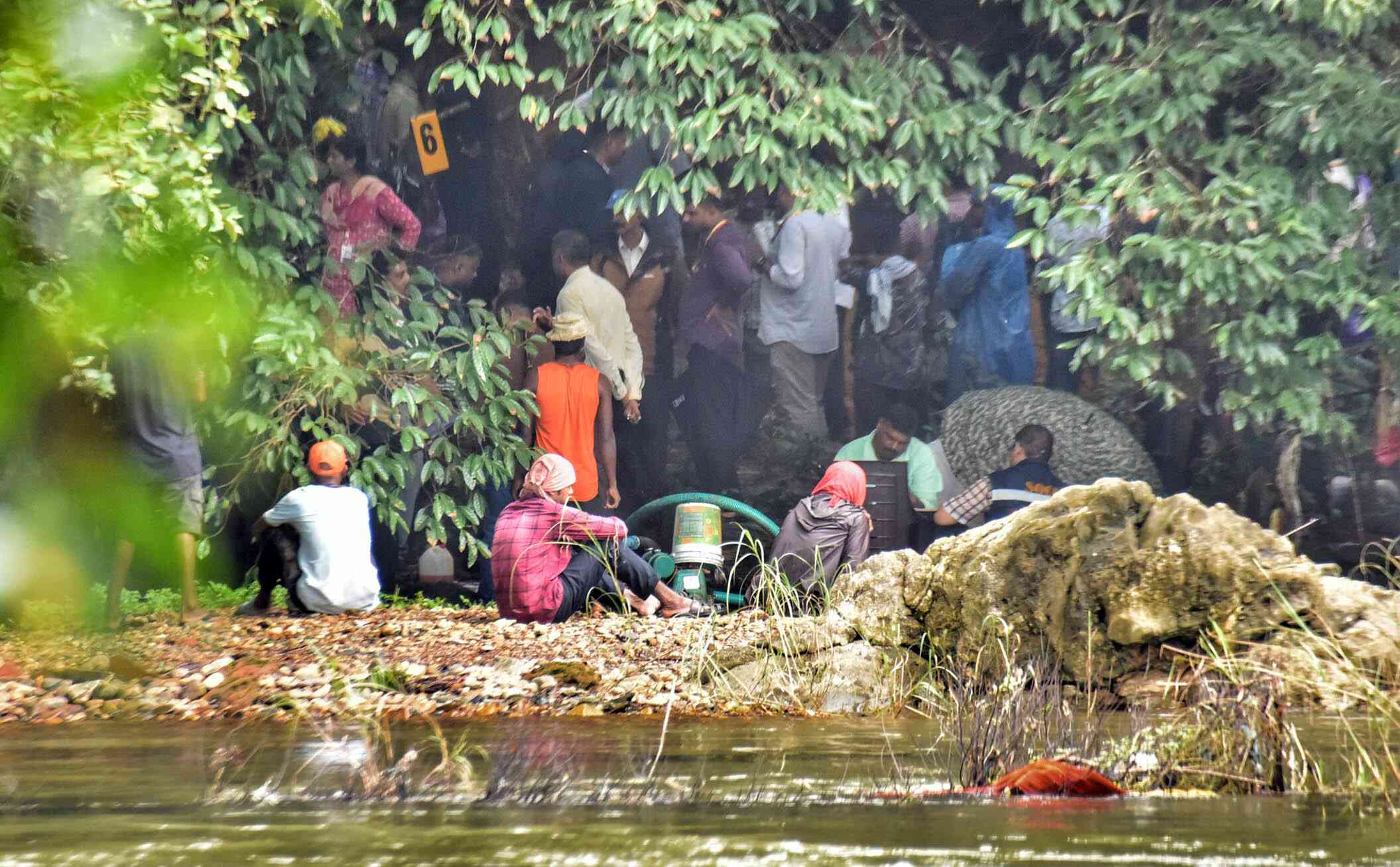
The SIT had earlier conducted excavations and site inspections at 20 locations in Dharmasthala village, following allegations that bodies of women and girls had been buried after alleged assaults. Notices were issued to the activists after they were named in the FIR. When the activists did not respond to the first notice, fresh notices were sent, some reportedly via WhatsApp messages, a move their counsel described as improper service.
On the other hand, counsel for the activists, S. Balan, contended that his clients had been subjected to repeated interrogations, as many as nine separate notices, and over 150 hours of questioning. He argued that the activists were being made to sit for prolonged hours “from morning till midnight,” despite being neither direct witnesses nor accused at the initial stage of the case.
Balan told the court that the FIR was originally registered under Section 211(a) and that more serious sections were added later, escalating the case’s scope. The defence maintained that the SIT’s actions amounted to harassment and lacked legal justification.
The case gained national attention after Chinnayya claimed in July that he had been forced to bury bodies of women and girls allegedly raped and murdered in Dharmasthala. He also alleged that the victims showed signs of sexual assault and asked for the exhumation of the remains.
His claims were further sensationalized when he reportedly submitted a skull to the SIT, allegedly retrieved from one of the burial sites. State Home Minister G. Parameshwara later confirmed that a skull had been recovered. However, the narrative took a turn when the SIT arrested Chinnayya himself, accusing him of fabricating evidence and providing false information.
After reviewing arguments from both sides, the High Court concluded that the SIT could resume its investigation while ensuring procedural fairness. The order effectively vacates the earlier stay that had paused the inquiry until November 12.
With the stay lifted, the SIT is now expected to re-examine evidence and record fresh statements, though it remains bound by the court’s direction to avoid any form of coercion or harassment against the activists.
The case continues to draw public and legal scrutiny, as it sits at the intersection of activism, religious authority, and criminal investigation , a controversy that has reignited debates over transparency and accountability in sensitive faith-linked inquiries.