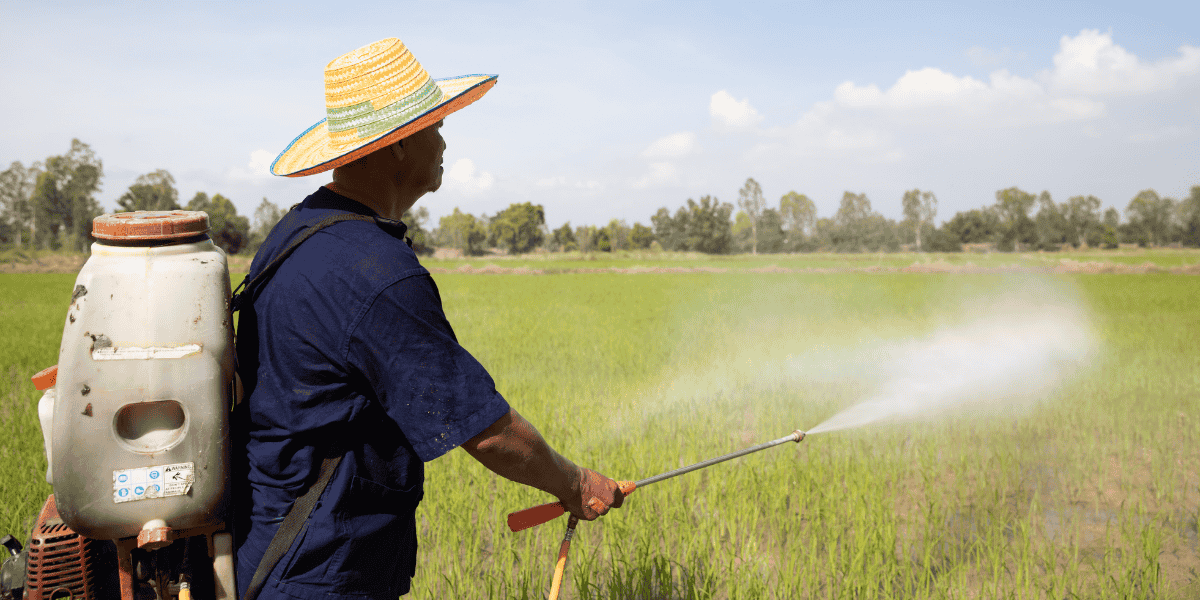
The long-standing disruption in the supply of essential fertilisers Di-Ammonium Phosphate and urea to the Andaman and Nicobar Islands has been resolved, with shipments now moving towards the Islands after completion of key administrative and logistical processes. The restoration of supply marks a significant development for the local agricultural sector, which has faced sustained hardship due to the unavailability of subsidised fertilisers for several years.
According to information shared by the Member of Parliament from the Andaman and Nicobar Islands, the fertiliser supply process has entered the execution stage. Payments for both DAP and urea have been credited to the supplier firm, containers have been readied, and transportation has commenced from Tuticorin to Chennai. The transit between ports is expected to be completed within the next two days, following which the consignments will be shipped onward to the Islands.

The shortage of DAP and urea has persisted since around 2019, severely affecting farmers across the Islands. With regular supply channels disrupted, cultivators were left without access to subsidised fertilisers, leading to reduced agricultural productivity. In the absence of official supplies, many farmers were forced to procure fertilisers from the black market at significantly higher prices, sharply increasing cultivation costs and eroding already narrow margins.
The issue gained renewed focus after the MP’s re-election in 2024, following which the matter was taken up on priority with the Government of India and the Andaman and Nicobar Administration. Repeated follow-up was carried out with the Union Ministry of Chemicals and Fertilisers as well as local authorities to address procedural delays and restore the supply chain.
With the completion of pending formalities, the fertilisers are now officially in transit. Officials involved in the process indicated that there is no policy or budgetary restriction preventing the supply of DAP and urea to the Islands. Instead, the prolonged disruption was attributed to gaps in timely requisitioning, coordination and execution, which are now stated to have been addressed.
The resumption of fertiliser shipments is expected to bring immediate relief to farmers ahead of upcoming cultivation cycles. The availability of subsidised inputs is also anticipated to curb illegal sale practices that emerged during the years of shortage, when fertilisers were reportedly sold at inflated rates through unauthorised channels.

Agriculture remains a key livelihood activity for a large section of the rural population in the Andaman and Nicobar Islands, where transportation constraints and dependence on mainland supplies make timely input delivery critical. Any prolonged disruption in fertiliser availability has a direct impact on cropping patterns, yields and household incomes, particularly for small and marginal farmers.
The MP has indicated that the situation will continue to be monitored to ensure smooth arrival and distribution of fertilisers across the Islands. Emphasis has also been placed on the need for advance planning and coordination to prevent a recurrence of shortages, especially given the logistical challenges involved in island supply chains.
With consignments now en route, the focus is expected to shift to distribution mechanisms at the local level to ensure fertilisers reach farmers without delay. The restoration of DAP and urea supply is being viewed as a corrective step after years of disruption, with its effectiveness ultimately depending on sustained coordination and timely execution in the months ahead.