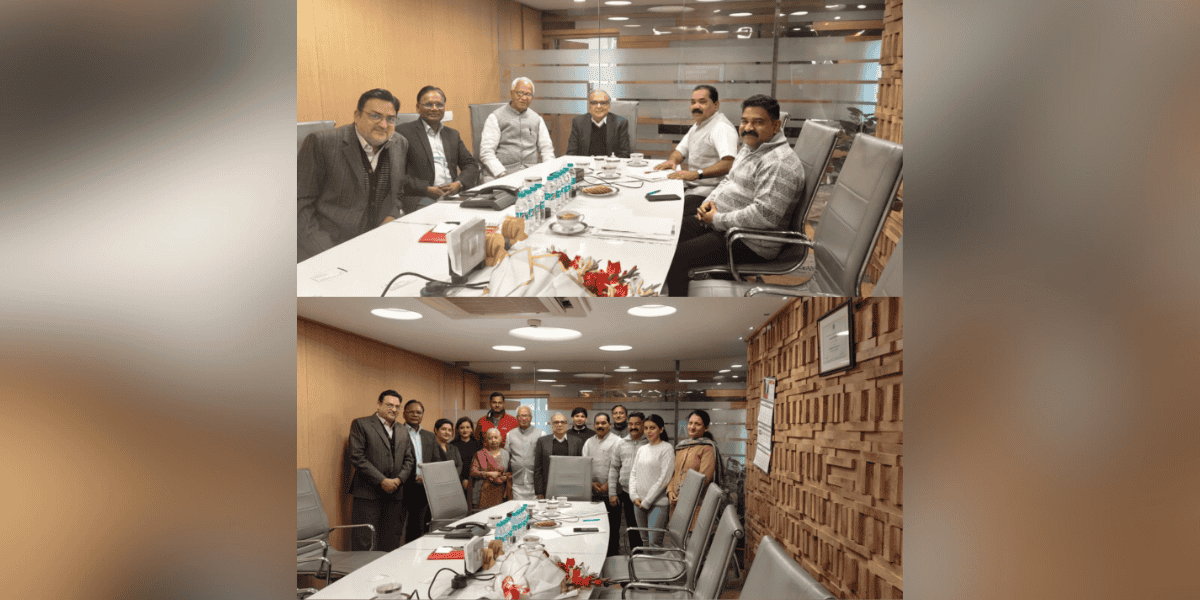
A proposal to set up a desalination plant with a capacity of 5,000 litres in Sri Vijayapuram under a corporate social responsibility initiative was discussed during a meeting held in New Delhi on December 10, 2025. The initiative is aimed at addressing drinking water scarcity and improving access to safe and potable water for residents of the area.
The proposal was discussed during a meeting between the Member of Parliament from Andaman and Nicobar Islands and representatives of the Siddho Mal Group. The corporate group conveyed its intention to establish the desalination facility as part of its CSR activities, positioning the project as a social infrastructure intervention focused on public health and basic services.
According to the proposal, the desalination plant is expected to cater to the drinking water needs of nearly 10,000 people in Sri Vijayapuram. The project is projected to provide relief to residents who face recurring challenges related to water availability, particularly during periods of scarcity when conventional sources struggle to meet demand.

Desalination has increasingly been viewed as a viable option for coastal and island regions where freshwater resources are limited and dependence on rainfall, groundwater or transported water creates vulnerability. In Sri Vijayapuram, rapid urbanisation, population pressure and seasonal fluctuations have contributed to stress on existing water supply systems, making alternative solutions a subject of administrative and public interest.
During the meeting, the Siddho Mal Group outlined its willingness to extend CSR support for the project, indicating that the desalination plant would be developed with the objective of long-term community benefit. While technical and operational details are expected to be finalised at a later stage, the proposed capacity reflects an attempt to supplement local water supply rather than replace existing infrastructure.
The Member of Parliament welcomed the proposal and acknowledged the role of corporate participation in addressing essential service gaps, particularly in geographically isolated regions such as the Andaman and Nicobar Islands. The initiative was described as a constructive example of how CSR funding can be aligned with pressing local needs.
Officials familiar with water supply issues in the islands note that desalination plants, when properly maintained and integrated into existing systems, can offer consistent output independent of rainfall patterns. However, factors such as energy requirements, maintenance costs and distribution mechanisms remain critical to the long-term sustainability of such projects.

Sri Vijayapuram, like several urban pockets in the islands, has experienced periodic drinking water shortages, prompting reliance on tankers and regulated supply schedules. The proposed CSR-funded plant is expected to reduce pressure on these arrangements by adding an additional source of potable water, particularly for domestic consumption.
While the project remains at the proposal stage, its announcement has drawn attention to the growing role of private sector participation in public utility provisioning through CSR frameworks. The implementation timeline, site selection and coordination with local authorities are likely to determine the eventual impact of the initiative.
If taken forward, the desalination plant could become part of a broader mix of water management strategies being explored in the islands, combining traditional sources with technology-driven solutions to improve water security for residents.