Two major agriculture training programmes concluded this week in the Andaman and Nicobar Islands, marking a significant push toward strengthening technical capacity, improving crop productivity and equipping participants with practical, field-focused skills. The initiatives were led by ICAR–Central Island Agricultural Research Institute (CIARI) and ICAR–Krishi Vigyan Kendra (KVK) South Andaman in collaboration with CPR Environmental Education Centre, reflecting an expanding effort to enhance knowledge transfer across both government departments and farming communities.
The three-day online training on “Packages and Practices of Major Crops for Andaman & Nicobar Islands,” organised by ICAR–CIARI from December 2 to 4, brought together 75 officials and field-level workers of the Department of Agriculture. Over three days, participants attended 11 lectures delivered by experts from CIARI and KVKs, covering improved varieties, production techniques and management practices tailored specifically to island agro-climatic conditions. Sessions included crop production technologies, pest and disease management, nutrient and soil management, and packages of practices for vegetables, fruits, spices and cereals. Strategies for climate-resilient agriculture were also discussed, recognising the challenges faced by island farmers due to erratic weather patterns and limited land resources.
The training was organised under the direction of the CIARI leadership team, with principal scientists and crop specialists coordinating the programme. Resource persons from various disciplines contributed detailed technical insights, ensuring that participants received updated and comprehensive knowledge. Feedback collected during the valedictory session indicated high levels of satisfaction, with officials and field workers appreciating the clarity of presentations, relevance of recommendations and the applicability of demonstrated practices in local conditions. Participants noted that several modules would be directly used in advisory services and field-level problem-solving.

During the closing session, remarks by senior officials encouraged trainees to disseminate the newly learned practices at the grassroots level to support farmers in improving productivity and adopting climate-smart methods. The organising team summarised the module-wise outcomes and suggestions for future training needs, reflecting growing interest in continuous capacity building. The session concluded by acknowledging CIARI’s ongoing contribution to strengthening agriculture and technical training across the islands.
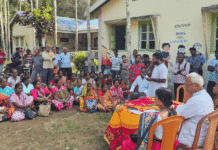
Alongside the virtual programme, a seven-day capacity-building training on nursery raising, covering seedlings, cuttings, layering and grafting, was held from November 26 to December 3 at ICAR-KVK South Andaman. The programme, jointly organised with the CPR Environmental Education Centre, focused on developing nursery skills among 50 women participants. The training aimed to equip them with the ability to establish nurseries, market their produce and generate supplementary income.
The sessions included discussions on nursery establishment, design, layout, record keeping and economic planning. Hands-on demonstrations were held on preparing nursery media, potting mixtures, seed germination, sowing techniques and the application of root hormones. Practical training on preparing cuttings, layers and grafts enabled participants to acquire skills essential for propagating high-value plants. Topics on integrated pest and disease management using natural farming methods, and compost and vermicompost preparation, added to the technical depth of the training.

The valedictory function on December 3 highlighted the potential of nursery-based enterprises in the islands, where demand for saplings, vegetable seedlings and fruit plants continues to grow. Officials emphasised that adopting systematic propagation techniques could create additional livelihood avenues, especially for women-led groups and small-scale growers. Organisers noted that hands-on modules formed the core of the programme, enabling participants to translate learning into immediate home-based or community-level nursery initiatives.
Together, the two training programmes reflect a sustained effort to strengthen agriculture-related capacity building in the islands. While the CIARI initiative targeted officials responsible for field guidance and implementation, the KVK programme focused on practical skill development for women trainees seeking livelihood opportunities. Both efforts underline the growing emphasis on technical refinement, climate resilience, and sustainable production strategies in the Andaman and Nicobar Islands. As these trainings continue, they are expected to contribute to improved crop performance, diversified income sources and wider adoption of modern agricultural practices across the Union Territory