Infrastructure development in the Andaman and Nicobar Islands continues to face roadblocks, with two critical issues drawing attention, demand for an additional bridge at Chatham Causeway in Sri Vijaya Puram and the long-pending resolution of quarry allotments in Little Andaman and North & Middle Andaman. Both matters, though distinct in nature, underscore the fragility of connectivity and grassroots development in the islands.
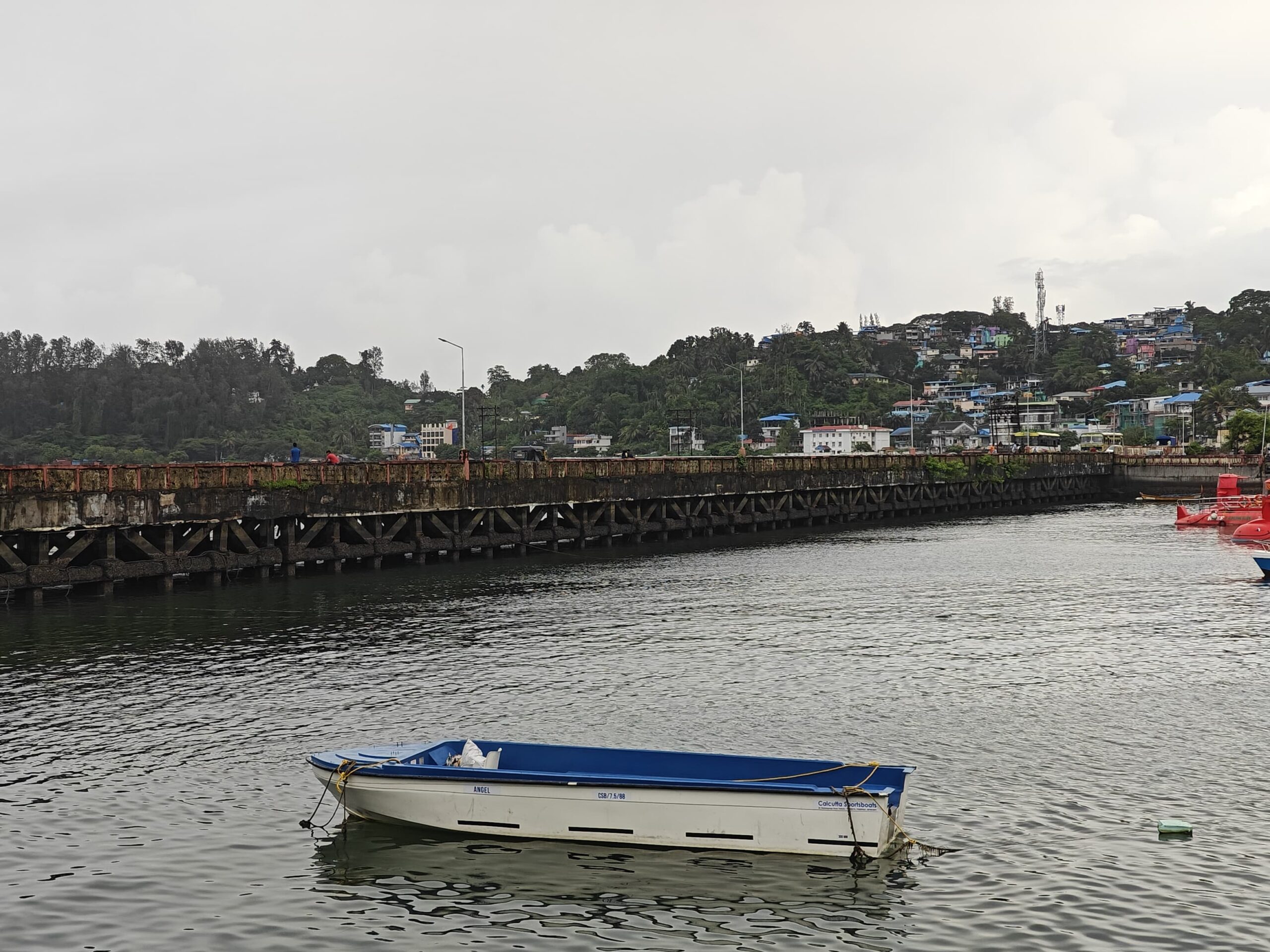
In a recent communication to the Ministry of Ports, Shipping and Waterways, a proposal was raised for sanctioning funds to construct an additional bridge at the Chatham Causeway. The existing bridge, which has been damaged, remains a vital link for commuters moving between Chatham Jetty and Haddo. With rising concerns over safety and congestion, the need for an alternative structure has become pressing. Suggestions have also been made for arranging light-weight battery-operated vehicles to facilitate short-distance transport for passengers in the interim, ensuring smoother connectivity until the bridge issue is resolved.
The Chatham Causeway is a lifeline for daily commuters, workers, and port operations. Any disruption not only inconveniences residents but also slows down activities linked to shipping, timber, and allied sectors that depend on uninterrupted access. The absence of a backup bridge means that delays or closures could have wide-ranging consequences. The demand for an additional structure reflects growing anxiety that critical transport infrastructure in Sri Vijaya Puram has not kept pace with the city’s increasing load.
While the capital region struggles with connectivity bottlenecks, remote islands like Little Andaman face an entirely different challenge, non-availability of quarry materials. Since 2018, quarry allotments in Hut Bay have been stopped, bringing Panchayat Samiti-led infrastructure projects to a near standstill. Until that point, materials like stone and moorum were regularly allotted to agencies including APWD, AHLWD, and Panchayat Samitis, enabling steady progress on local development.

The stoppage has forced Panchayat bodies to depend on costly imports of quarry materials from Sri Vijaya Puram or the mainland. This has led to prohibitive project costs, stalled works, and even lapsing of allocated funds. Compounding the crisis is the anomaly in rate structures, while APWD is allowed to prepare estimates based on DSR-2023, the Engineering Wing of RD/Panchayat remains restricted to DSR-2021. The outdated estimates deter bidder participation in tenders, further paralysing grassroots works.
Multiple assessments have confirmed that quarry reserves remain available for use. A National Green Tribunal team, supported by IIT Kharagpur, verified the existence of sufficient reserves in Little Andaman, subject to environmental clearance. The Revenue Department has already applied for clearance from the Forest Department, but the process remains pending. Without approvals, Panchayat Samitis across Little Andaman, North & Middle Andaman, and even Campbell Bay remain deprived of quarry allotments.
The issue has been raised repeatedly by Panchayat representatives, who warn that the paralysis in development is eroding public trust in local bodies. Panchayat Samitis, restored after the 2022 elections following earlier attempts at abolition, have found themselves functioning largely in name. Without access to quarries or adequate administrative support, their ability to deliver mandated services has been severely compromised.
Observers point out that while large-scale infrastructure projects in the islands draw national-level attention, smaller yet vital aspects of local governance, like the supply of quarry material, determine whether communities benefit from even basic facilities such as roads, drainage, and community spaces. The absence of quarry allotments has therefore had a disproportionate impact on rural populations, slowing down welfare works for over five years.
Together, the two issues highlight the multiple layers of challenges facing the islands. At one end, the need for modern, safe connectivity in Sri Vijaya Puram underscores the growing pressures of urban expansion. At the other, the quarry deadlock illustrates how bureaucratic delays and administrative lapses can paralyse development in rural areas. Both situations call for urgent intervention to prevent further stagnation in infrastructure projects across the Andaman and Nicobar Islands.