By R.P. Sharma & M Shradha
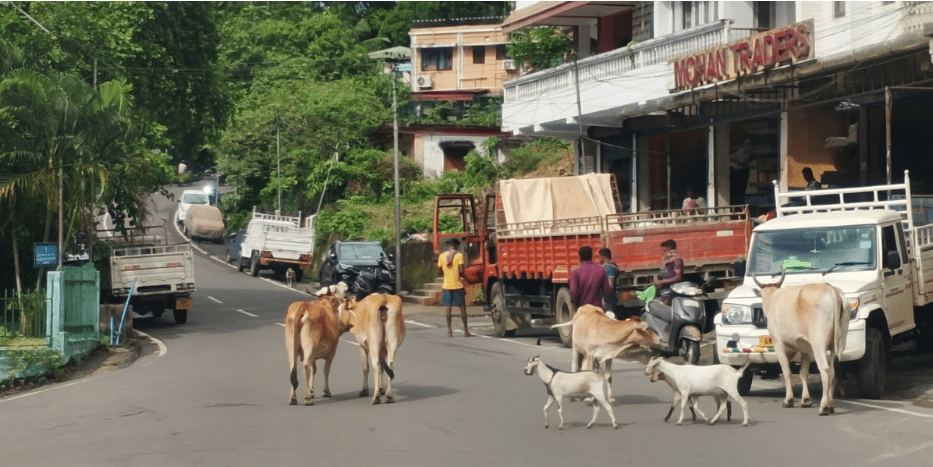
In Sri Vijaya Puram, gleaming pavements and digital billboards tell one side of the Smart City story. On the other, a far more chaotic scene unfolds, cows sprawled across arterial roads, snarling stray dogs chasing pedestrians, and municipal helplessness that threatens to unravel the very promise of a modern urban future. While infrastructure grows vertically, basic civic responsibilities like animal control have been left to rot on the streets.
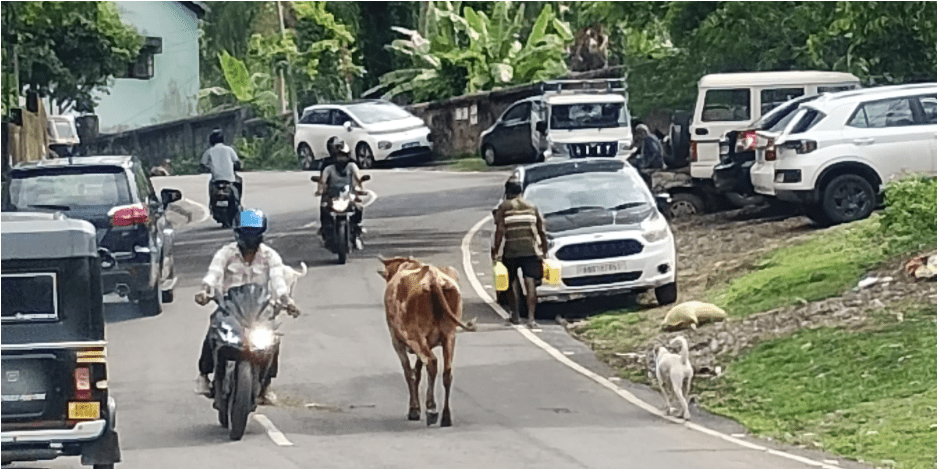
Despite the Central Government’s substantial investment under the Smart City Mission, the city finds itself crippled by an uncontrolled rise in abandoned and stray animals. In areas such as Bathu Basti, Dollygunj, and Garacharma, traffic snarls caused by lounging cattle have become as routine as power cuts used to be in older India. Accidents are no longer just mechanical failures, they are increasingly four-legged, unpredictable, and sometimes fatal.
Equally alarming is the surge in stray dog aggression. Reports of bites, night-time chases, and unprovoked attacks have become all too common, particularly in residential colonies where uncollected waste and open garbage bins form breeding grounds for conflict. The absence of an effective animal control unit has left both residents and animals at risk, trapped in an urban standoff that shows no signs of resolution.
An official from the Port Blair Municipal Council (PBMC), requesting anonymity, painted a grim picture of the civic body’s capabilities. “We don’t have the right transport vehicles. Cows need hydraulic ramp trucks, which aren’t available on the islands. For dogs, we need dedicated catching vans. Without these, we are helpless. We get calls every day, but we cannot act,” the official admitted.
The infrastructure gap is further amplified by the closure of most cow shelters. Of the four or five that once operated in the city, only one remains functional. The Gandhi Park shelter, which once provided refuge to abandoned cattle, has ironically been converted into a plant nursery for the same municipality now struggling with animal control. No clear explanation has emerged for the shuttering of these facilities, raising uncomfortable questions about fund allocation and transparency in the so-called smart city budget.
Even when authorities act, rules complicate execution. By regulation, sterilised dogs must be returned to the same spot they were picked up from within a week, rendering long-term removal nearly impossible. It’s a bureaucratic paradox: act, but don’t move anything.
The lack of NGO participation makes matters worse. In most Indian cities, animal welfare groups form the last line of intervention, rescuing injured animals, assisting with sterilisation drives, and pursuing legal action in cruelty cases. In the Andaman & Nicobar Islands, such actors are conspicuously absent. Animal abuse often goes unchecked, and with no watchdogs, official or otherwise, pet abandonment is treated more as an unfortunate inevitability than a punishable offence.
But civic inaction is only half the story. Public apathy fuels the crisis. Families that can no longer afford to care for livestock or pets quietly let them loose, assuming the streets, or someone else, will absorb the fallout. What begins as personal convenience morphs into a public hazard, clogging roads, spreading disease, and straining already burdened civic systems.
What emerges is not just an animal control issue, but a warning about the selective vision of urban development. Roads, drains, and digital kiosks may check off boxes in bureaucratic dashboards, but they do little to improve everyday safety and sanitation if cows block intersections and dogs roam in packs.
In Sri Vijaya Puram, progress is being chased, but strays are being ignored. Until urban development includes humane, enforceable animal management, the dream of a brilliant city will remain just that: a dream tangled in traffic, stray fur, and public frustration.