Preparations for the first phase of the upcoming national census have begun in the Andaman and Nicobar Islands, with training programmes underway for officials who will be involved in conducting the houselisting and housing census operations scheduled to begin in April.
According to officials, the initial phase of the census exercise, known as the Houselisting and Housing Census (HLO), will commence in the Union Territory in April 2026 as part of the nationwide preparations for Census of India 2027.
The process will begin with a self-enumeration window from April 1 to April 15, 2026, during which residents will have the option to provide household information through self-reporting. This stage will be followed by the formal houselisting operations conducted by census enumerators from April 16 to May 15, 2026.

During the houselisting phase, enumerators appointed for the census will visit every household across the islands to collect information required for the housing census. The data collection exercise will involve a structured questionnaire comprising thirty-three questions designed to capture details related to housing conditions, amenities and demographic characteristics.
Officials involved in the census preparations stated that ensuring the accuracy and reliability of the collected data is a key priority for the administration. To achieve this, a structured training framework has been adopted for personnel involved in the exercise.
The training process follows a cascading model used for large-scale national surveys and census operations. Under this system, a group of national-level trainers first trains master trainers in each state or Union Territory. These master trainers then conduct training programmes for field trainers, who subsequently train enumerators and supervisors responsible for conducting the household surveys.
Authorities confirmed that the training of master trainers in the Andaman and Nicobar Islands has already been completed as part of the preparatory process.
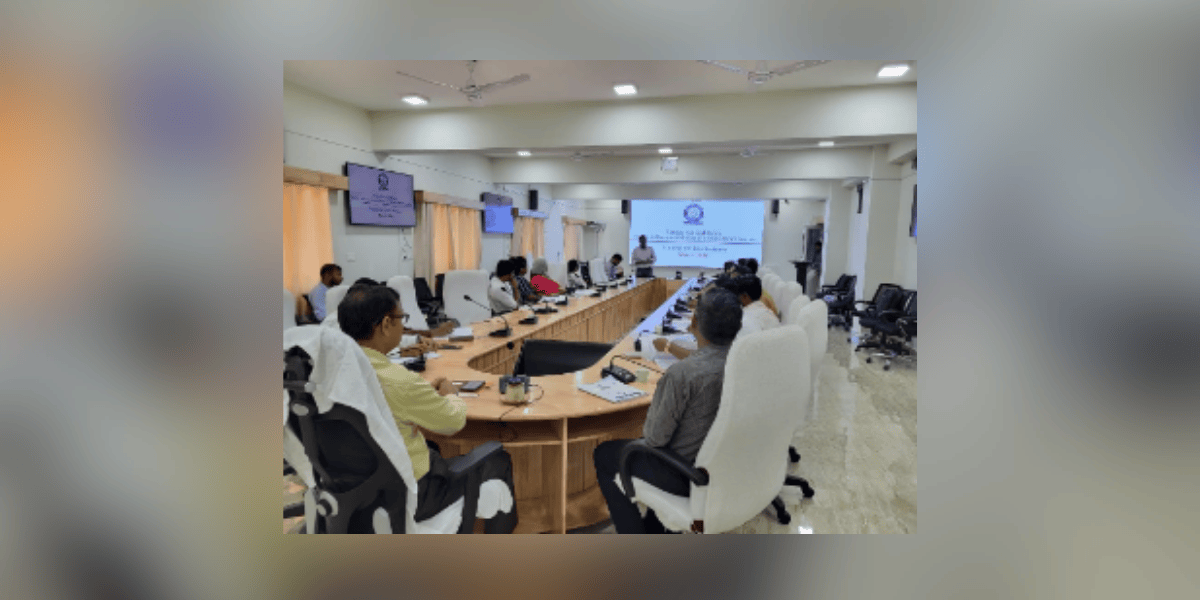
The next stage of the training cascade has now begun with sessions for field trainers who will be responsible for guiding enumerators during the census operations. The first round of this training programme began on March 5, 2026 in South Andaman and will continue for three days.
These field trainers will subsequently conduct training sessions for enumerators and supervisors assigned to the houselisting operations across various districts of the Union Territory. The training is intended to familiarise them with census procedures, data collection protocols and the use of survey instruments required during the exercise.
Officials explained that the houselisting phase of the census is a critical step in the overall enumeration process, as it provides an updated inventory of buildings and households. The information collected during this phase also forms the basis for planning the subsequent population enumeration stage of the census.
Following the training programme underway in South Andaman, similar sessions are scheduled to be conducted next week for field trainers from North and Middle Andaman District and Nicobar District.
The training sessions are designed to ensure that personnel involved in the census exercise are equipped with the necessary skills and clarity required to carry out the large-scale data collection process efficiently.

Census officials noted that the houselisting and housing census requires extensive coordination across departments and field-level staff because enumerators are required to visit every household within their assigned areas.
Given the geographic spread of the islands and the logistical challenges associated with reaching remote habitations, proper preparation and training are considered essential for ensuring smooth implementation of the exercise.
With training programmes now underway and the census schedule already notified, authorities are gradually moving toward the start of the houselisting phase in April. The preparatory activities are expected to ensure that the census exercise in the islands proceeds systematically and generates reliable data for planning and governance purposes in the coming years.