The Department of Animal Husbandry & Veterinary Services (AH&VS) in Car Nicobar successfully concluded the Animal Welfare Fortnight 2026, executing a series of community-driven programs that combined cultural tradition, veterinary science, and conservation initiatives.
A major highlight of the fortnight was the inaugural Mattu Pongal celebration, held on January 15, 2026, at the Departmental Dairy Unit in Perka. The event honoured cattle for their essential contributions to agriculture and rural life. Officials from the Agriculture Department, Krishi Vigyan Kendra (KVK), Fisheries, and Forest Department participated, reflecting strong inter-departmental collaboration for livestock welfare. The ceremony was attended by chief guest Rahul L Nair, IPS, guest of honour Dr. Naveen, and Paul, 1st Captain of Perka Village.

The focus shifted on January 24, 2026, to Biglapthy village, where the department conducted a targeted training session for local dairy farmers. The session highlighted the risks and misuse of Oxytocin injections in dairy cattle, emphasizing potential health hazards for both livestock and milk consumers. In parallel, a comprehensive house-to-house deworming camp was implemented across Biglapthy, delivering essential veterinary services directly to farmers’ homes and ensuring full coverage of the village’s livestock population.
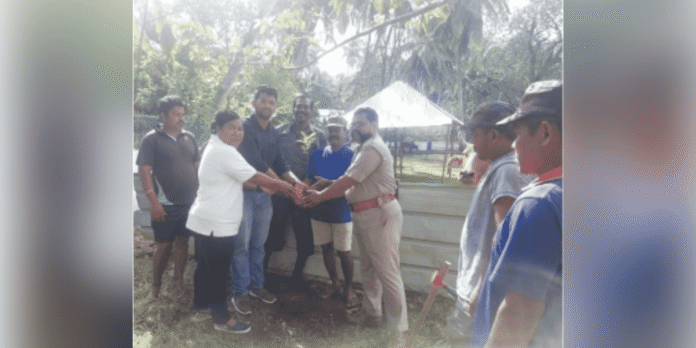
The fortnight concluded on January 30, 2026, with a large-scale joint plantation drive of fruit-bearing trees along the departmental farm. Organized in collaboration with the Department of Environment and Forest, the initiative aimed to provide a permanent food source for the island’s bird population, promoting sustainable coexistence between dairy operations and local biodiversity.
Officials stated that the fortnight was designed to integrate cultural celebrations with practical animal welfare measures. By combining the Mattu Pongal ceremony with targeted veterinary awareness sessions and preventive care programs, the department sought to engage the community while improving livestock health and promoting responsible farming practices.
The programs reflected a multi-pronged approach to animal welfare, emphasizing education, preventive healthcare, and conservation. The inclusion of inter-departmental participation underscored the importance of collaboration across sectors to achieve sustainable outcomes for livestock, farmers, and local biodiversity.

Through these efforts, the department reinforced the significance of cattle in the region’s agricultural ecosystem and rural livelihoods. The combination of awareness programs, field-level veterinary interventions, and environmental conservation initiatives demonstrated a commitment to long-term animal welfare and ecosystem sustainability in Car Nicobar.
The Animal Welfare Fortnight 2026 highlights the department’s focus on balancing traditional practices with scientific veterinary care and community engagement, aiming to strengthen livestock productivity, safeguard animal health, and promote environmental stewardship across the island.



