The Andaman Public Works Department has launched a 10-day “Zero Leakage Campaign” across the Andaman and Nicobar Islands with effect from February 25, aimed at minimizing water loss, strengthening water management practices and creating public awareness on preventing wastage of potable water.
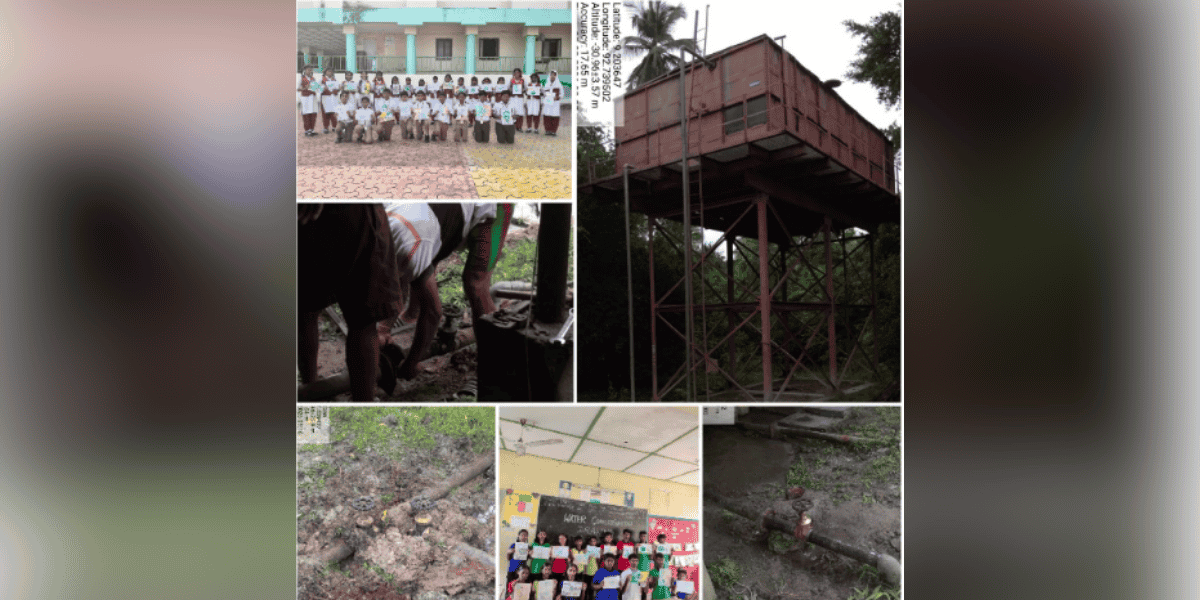
According to the department, the campaign focuses on identifying and rectifying leakages across the water supply pipeline network while encouraging community participation in responsible water use. Dedicated inspection teams have been constituted to conduct systematic checks throughout the distribution system to locate leakages and ensure prompt repair and rectification wherever required.

Officials stated that a key component of the drive involves the operation and optimization of regulatory valves within the distributary network. Regular cleaning and maintenance of these valves are being carried out to improve water flow efficiency and reduce avoidable losses. In parallel, vulnerability assessments are being conducted to identify weak points in the pipeline system, particularly at joints, off-takes and regulatory valves that are prone to leakage.
The department is also preparing and maintaining a detailed inventory of vulnerable locations across the network. This inventory is expected to support periodic inspections and long-term maintenance planning beyond the duration of the campaign, enabling quicker response to future leakages and reducing recurring water losses.
Recognizing that a significant share of water wastage occurs at the household level, the campaign places emphasis on domestic interventions. Residents are being encouraged to repair dripping taps, faulty flush systems and overflowing overhead tanks. The reuse of water for secondary purposes is also being promoted as part of broader conservation practices.
Educational institutions have been brought into the awareness effort, with programmes designed to introduce students to the concept of water budgeting. These sessions include assessing total water requirements, understanding actual consumption patterns and identifying additional needs at both household and institutional levels. The initiative aims to instill conservation-oriented behaviour at an early age.
Information, Education and Communication activities are being organized across schools, Anganwadi centres and community platforms to reinforce messages on sustainable water use. The department has also convened meetings of Pani Samitis and Village Water and Sanitation Committees to strengthen community-level ownership of water resources and collective responsibility for preventing wastage.

As part of institutional coordination, District Water and Sanitation Mission meetings have been conducted in three districts to review ongoing water management measures and align local efforts with the objectives of the Zero Leakage Campaign. These reviews are intended to ensure uniform implementation across urban and rural areas.
Officials noted that the campaign seeks to go beyond short-term repairs by fostering a culture of conservation and vigilance. By combining technical inspections with public outreach, the department aims to reduce non-revenue water losses and ensure more reliable supply amid increasing demand.
Members of the public have been advised to report any visible water leakage in supply lines to the concerned Public Works Department office or through the department’s helpline. The department has indicated that timely reporting from residents will play a critical role in achieving the objectives of the campaign and sustaining its impact beyond the 10-day period.