The Andaman and Nicobar Territorial Congress Committee (ANTCC) has drawn attention to pressing healthcare challenges in the islands, highlighting critical shortages of equipment and specialists at government hospitals. In separate communications, senior leaders TSG Bhasker and Rangalal Halder called for urgent intervention to safeguard the health of patients who rely on the public healthcare system.
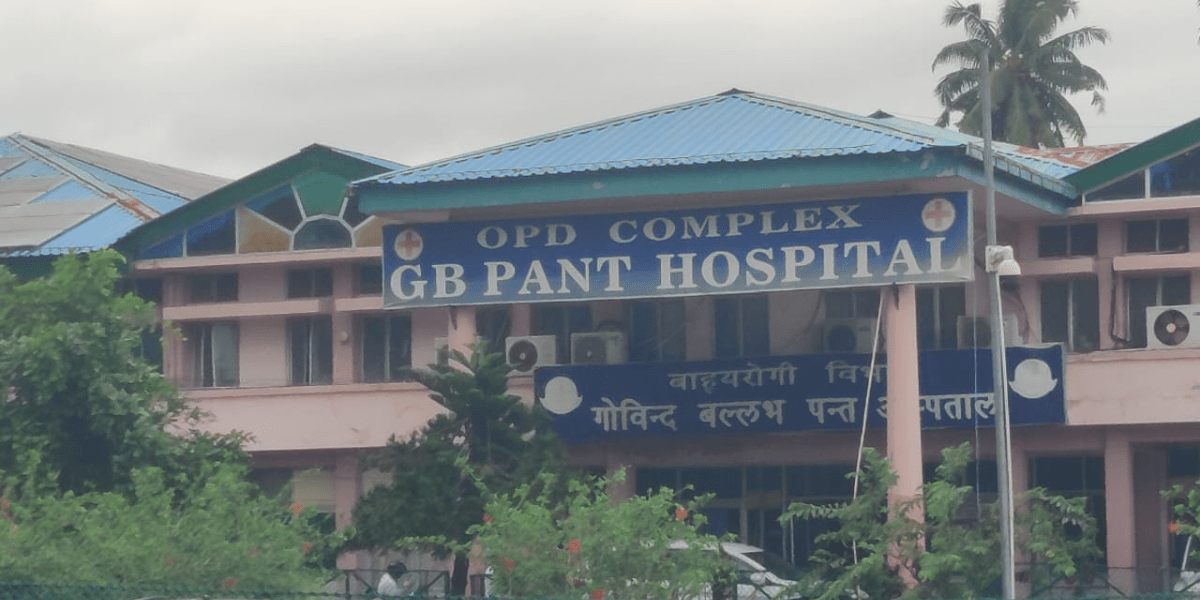
TSG Bhasker, Chairman of the Campaign Committee, ANTCC, has raised serious concerns over the unavailability of essential urological equipment at G.B. Pant Hospital, the primary tertiary care facility in the Union Territory. In a letter to the Chief Secretary, Bhasker underlined that the absence of an adult Cystoscope is forcing patients to seek treatment at private hospitals, where procedures cost as much as ₹1.5 lakh. He noted that such expenses are unaffordable for many, especially those who depend on government facilities for affordable medical care. According to him, this shortage is causing both unnecessary suffering and severe financial strain, and he urged the administration to prioritize the procurement of urological equipment without delay.

Meanwhile, ANTCC President Rangalal Halder has flagged another significant gap in the islands’ healthcare services, the absence of specialist doctors for dialysis patients requiring fistula creation and related procedures. In a letter to the Director of ANIIMS, Halder pointed out that while visiting specialists once provided these services at regular intervals, the practice has ceased in recent times. The absence of qualified experts, he said, has left patients vulnerable to complications, disrupting a treatment that is vital for their survival.
Halder emphasized that dialysis is a life-sustaining therapy, and any delay in associated procedures not only jeopardizes patient health but also places immense emotional and financial stress on families. He urged ANIIMS to act swiftly, either by arranging for regular visits by qualified vascular surgeons or by appointing a permanent specialist to manage fistula-related needs. His appeal was also forwarded to the Director of Health, the Medical Superintendent, and the Secretary of Health for further action.
Both appeals reflect mounting concerns over the state of public healthcare in the islands, where limited infrastructure, specialist shortages, and equipment gaps often force patients into expensive alternatives or delayed treatment. ANTCC leaders stressed that timely government intervention is essential to address these shortcomings and restore confidence in public health facilities. Without urgent measures, they warned, vulnerable patients, particularly those requiring critical and life-sustaining treatments, will continue to bear the brunt of systemic inadequacies.