The ongoing Animal Welfare Fortnight 2026 in the Andaman and Nicobar Islands has seen a combination of community engagement and traditional observance, as the Department of Animal Husbandry and Veterinary Services organised multiple activities aimed at promoting responsible animal care and humane practices.
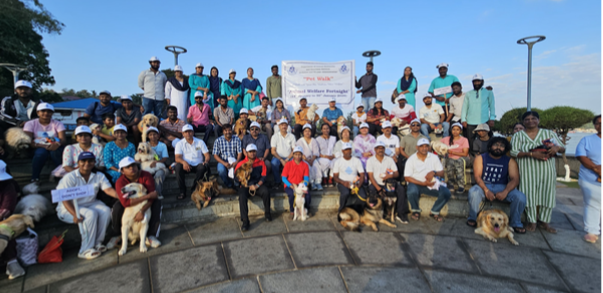
One of the key highlights of the fortnight was a Pet Walk organised in Sri Vijaya Puram, which drew participation from pet owners, animal lovers and their companions. The event commenced early in the morning from Marina Park Gate and concluded at Flag Point, transforming the route into a visible display of public engagement on issues related to animal welfare and responsible pet ownership.
Participants walked alongside their pets, many carrying placards and banners carrying messages on animal care, adoption and compassion. The turnout reflected growing awareness among residents about responsible pet parenting and the need for community involvement in animal welfare initiatives. The walk was designed not as a competitive event but as an awareness-driven activity encouraging interaction between pet owners and the wider public.
At the conclusion of the walk, officials highlighted contemporary challenges related to pet and stray animal management in urban and semi-urban settings. Emphasis was placed on adoption of homeless dogs and cats from streets or shelters as an alternative to purchasing breeds, linking animal welfare with ethical responsibility and long-term sustainability. As a gesture of encouragement, participants were provided with small pet care kits containing basic utility items.
Parallel to public outreach activities, the department also marked Mattu Pongal at the Livestock Farm Complex in Dollygunj as part of the Animal Welfare Fortnight. The celebration honoured the role of cattle in agriculture, dairy production and rural livelihoods, while reinforcing traditional values associated with respect for animals.
Cattle at the farm were ceremonially bathed and decorated, with horns painted and adorned using flowers and traditional ornaments. A special Pongal was prepared and offered to the animals, symbolising gratitude for their contribution to food security and the rural economy. The observance connected cultural tradition with modern principles of animal welfare and ethical treatment.
Officials present during the Mattu Pongal celebrations underlined that the festival serves as a reminder of collective responsibility towards animals, extending beyond ritual observance to everyday practices such as proper nutrition, healthcare, dignified living conditions and protection from cruelty.
The Department of Animal Husbandry and Veterinary Services has outlined a series of activities throughout the Animal Welfare Fortnight, including veterinary health camps, school-level painting competitions, awareness sessions on animal first-aid, and exposure visits to departmental farms and institutions. These initiatives aim to reach diverse sections of society, from students and pet owners to community groups and volunteers.
Residents, educational institutions and voluntary organisations have been invited to participate in the remaining programmes, with the department emphasising that animal welfare outcomes depend significantly on sustained public involvement rather than isolated interventions.
By combining community-oriented events like the pet walk with culturally rooted observances such as Mattu Pongal, the Animal Welfare Fortnight has sought to reinforce both awareness and empathy. Officials noted that such integrated approaches help build a more humane and harmonious relationship between people and animals across the islands.