As the festive season approaches, the Andaman and Nicobar Islands are witnessing a sharp surge in vegetable and fruit prices, dealing a blow to vendors and forcing many households to rethink their food choices. Traders report that consumers are increasingly turning to fish and chicken, which remain relatively affordable compared to skyrocketing vegetable costs.
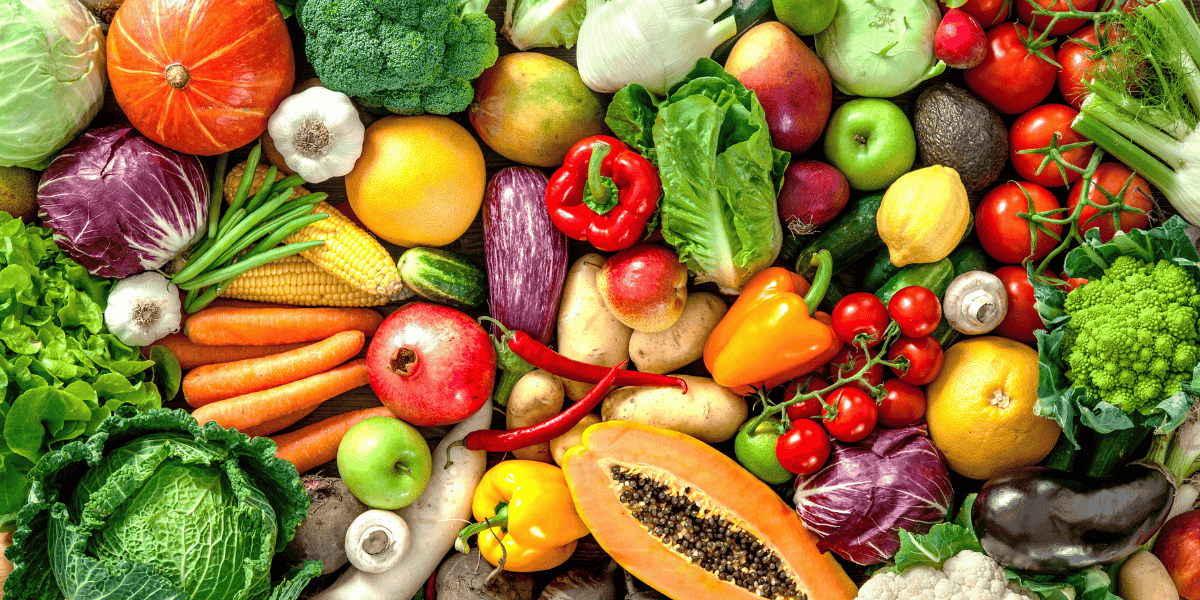
According to vendors, the price of okra (ladies’ finger) has climbed to ₹160 per kilogram, long beans to ₹140, brinjal (eggplant) to ₹180, and even the staple potato to ₹50. Fruits are no exception, with apples, pomegranates, and oranges each selling at around ₹300 per kilogram. The festive season, which typically drives up demand, has intensified the strain on already limited supplies.
The steep rise in prices stems from multiple factors. Erratic weather patterns in recent months have disrupted production in both mainland and island farms, reducing the inflow of fresh produce. Compounding the issue are the high logistical costs of transporting vegetables from the mainland to the islands, which significantly inflate retail prices. Vendors note that these factors make vegetables consistently costlier than protein sources like fish and chicken.

The imbalance between demand and supply is clearly visible in local markets. While the appetite for fresh vegetables remains strong, constrained availability has left consumers with little choice but to adjust their buying habits. Many households are scaling back their purchases or avoiding vegetables altogether.
“People are coming to buy, but when they see the prices, they often choose fish or chicken instead. Our business has dropped noticeably,” said a vendor at Ratnam Market. Several traders echoed the sentiment, expressing frustration that they have little control over pricing given the mix of transportation charges, unpredictable weather, and supply shortages.
Price fluctuations of this nature are not new to the islands. Being heavily dependent on imports, the Andamans routinely experience higher costs for perishables, especially during periods of high demand or logistical disruption. Authorities occasionally attempt to intervene through subsidized transportation or by supplying limited vegetable stock from mainland farms. However, vendors argue that these measures offer only short-term relief and fail to stabilize prices in a consistent manner.
For vendors, the stakes are high. With sales slowing and customers reluctant to pay inflated prices, many traders are seeing reduced daily incomes. The festive season, which they usually count on for higher business, has instead brought added uncertainty this year.

Consumers, too, are feeling the squeeze. For middle- and lower-income households, fruits priced at ₹300 per kilogram and essential vegetables above ₹150 are increasingly unaffordable, forcing them to rely more heavily on fish and chicken as alternatives.
Looking ahead, vendors and traders are calling for coordinated action from authorities to address the recurring problem. Suggestions include streamlining logistics, setting up better storage facilities, and offering incentives for mainland suppliers to ensure regular deliveries to the islands. Without such interventions, both buyers and sellers fear that high prices will remain a persistent concern, eroding household budgets and weakening small market businesses across the Andamans.