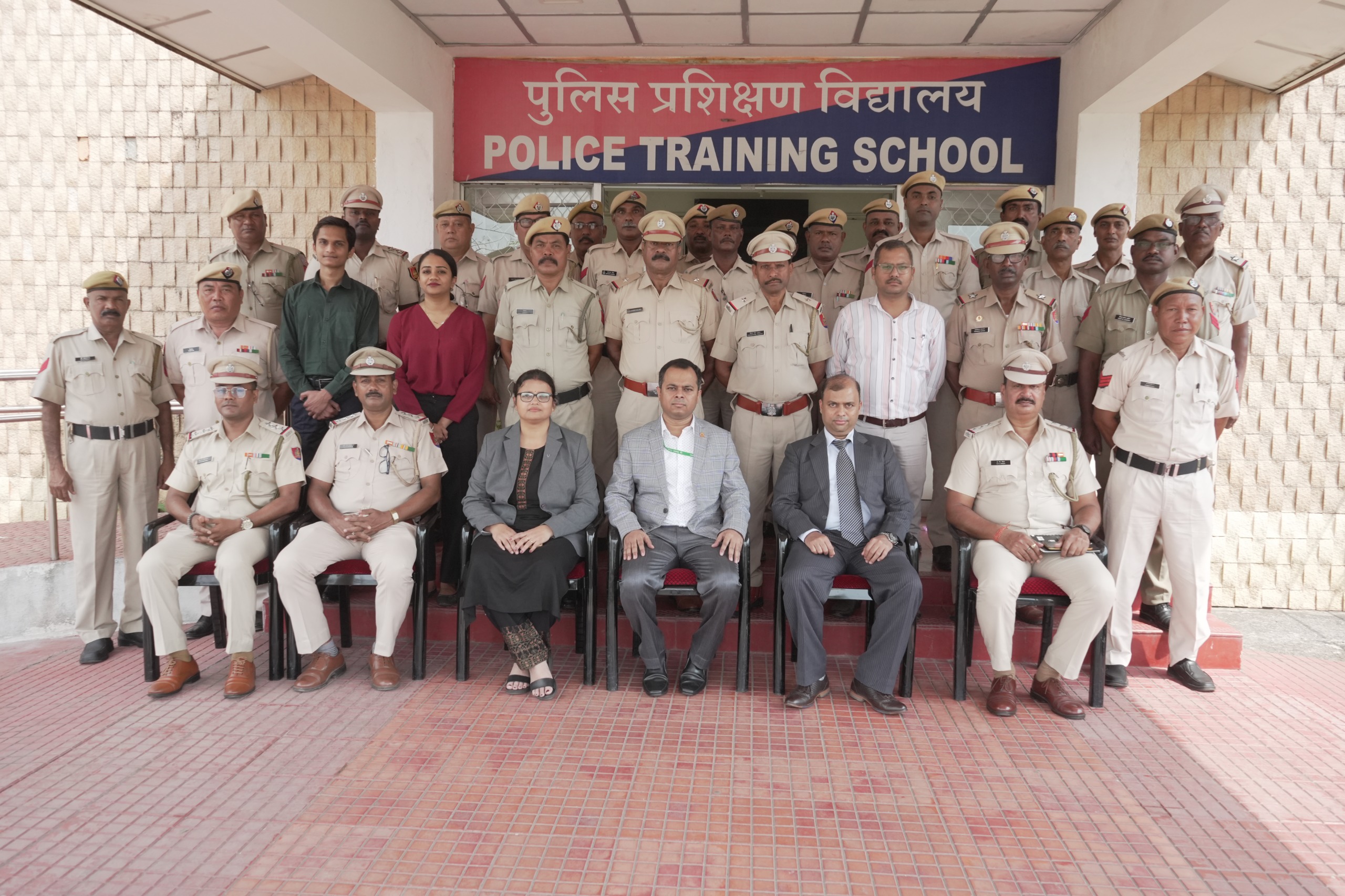
In a move aimed at strengthening forensic and investigative capabilities, the Andaman and Nicobar Police have taken a step towards modernised criminal identification with a two-day hands-on training programme on the Measurement Collection Unit and the Criminal Procedure (Identification) Act, 2022. The programme, held at the Police Training School in Prothrapur, Sri Vijaya Puram, focused on transitioning from traditional manual record-keeping to a technology-driven, standardised identification system.
The training was organised by the Finger Print Cell under the Crime Investigation Department in coordination with the National Crime Records Bureau, New Delhi. Conducted on February 19 and 20, the programme brought together police personnel and forensic professionals to familiarise them with the operational and legal aspects of the MCU, which forms the backbone of the Criminal Procedure Identification System introduced under the 2022 Act.

A total of 40 participants attended the programme, including police personnel ranging from the rank of head constable to inspector, as well as scientific officers from the Forensic Science Laboratory at Sri Vijaya Puram. The mixed participation reflected an emphasis on inter-departmental integration, particularly between investigators and forensic experts who are expected to work closely under the new framework.
The training was delivered by a specialised team from the National Crime Records Bureau, combining classroom instruction with live demonstrations. Participants were trained in the collection, handling and digital recording of biometric and physical data using the MCU platform. The sessions were designed to ensure that personnel are not only familiar with the equipment but also understand the procedural safeguards and statutory requirements under the Criminal Procedure (Identification) Act.
The MCU system enables the collection of a wide range of data, including 360-degree facial photographs, iris scans, physical measurements and biological samples such as DNA, significantly expanding the scope of identification beyond fingerprints. Officials involved in the programme indicated that the system is intended to improve accuracy in criminal identification, reduce duplication, and enhance data sharing across jurisdictions through a unified national database.
According to information shared during the programme, the MCU infrastructure has already been made operational at multiple locations across the Andaman and Nicobar Islands. These include the Finger Print Cell, three district police offices, and correctional institutions such as the District Jail and sub-jails. The wider rollout is expected to support investigators at various stages of the criminal justice process, from arrest and remand to prosecution and record maintenance.
The programme also highlighted the role of capacity-building as policing systems undergo digital transformation. Trainers provided step-by-step guidance on enrolling individuals, maintaining data quality, and ensuring compliance with prescribed protocols. Emphasis was placed on accuracy, ethical handling of sensitive data, and adherence to legal provisions governing collection and use.

Officials associated with the training described the initiative as part of a broader effort to align policing in the islands with national reforms in criminal law and procedure. By equipping personnel with practical skills and exposure to modern tools, the administration aims to ensure smoother implementation of the Criminal Procedure Identification System at the ground level.
The completion of the training marks a preparatory phase in the adoption of technology-led identification practices in the islands. With systems now in place across police units and correctional facilities, authorities expect the MCU to play a growing role in investigations, record management and inter-agency coordination in the coming months.