The Department of Animal Husbandry and Veterinary Services (AH&VS) in the Andaman and Nicobar Islands has completed an artificial insemination training programme for the first batch of 13 veterinary compounders, aiming to strengthen livestock breeding services and improve dairy productivity across the islands.
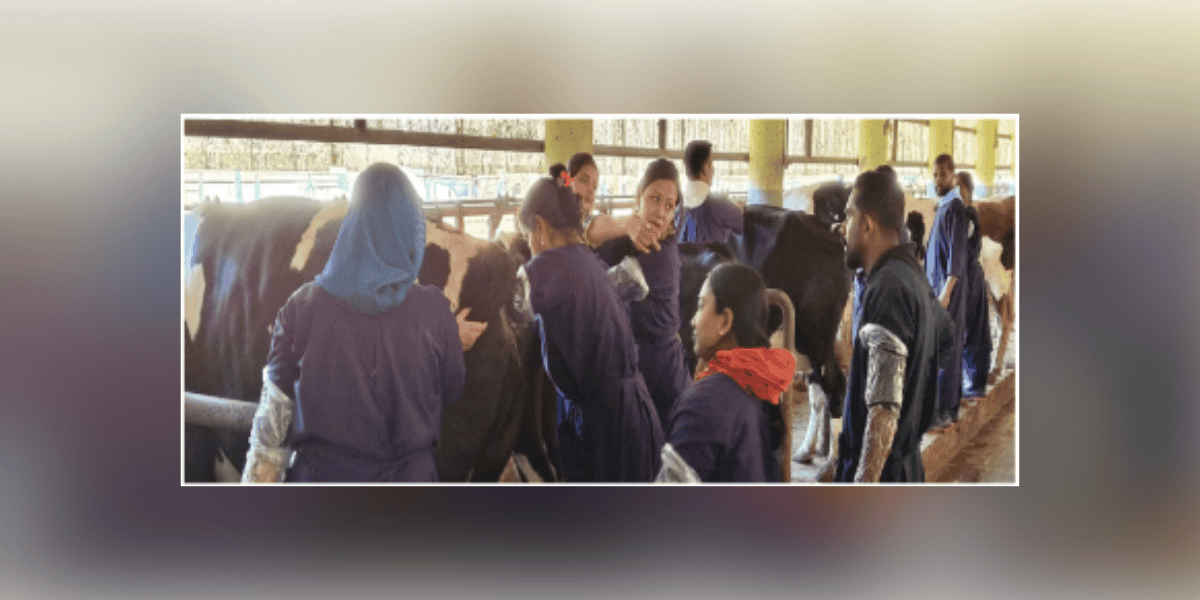
The training was conducted at the Kerala Livestock Development Board (KLDB) Training Centre at Kolahalamedu, where participants underwent an intensive programme combining theoretical instruction and practical demonstrations. Officials said the initiative marks a step toward modernising livestock management practices in the island territory.
According to the department, the programme focused on equipping para-veterinary staff with the technical skills required to perform artificial insemination in cattle and buffalo. The effort is intended to improve breeding efficiency, promote genetic upgradation and strengthen dairy production systems in the Andaman and Nicobar Islands.
The training programme ran for 30 days from January 29 to February 27 at the KLDB facility. During the course, trainees attended classroom sessions and hands-on practical training designed to familiarise them with the procedures and scientific principles involved in artificial insemination.

Following the completion of the institutional training, the participants will undergo a 60-day field practice phase in the Andaman and Nicobar Islands. The field component will allow trainees to apply the skills learned during the course while working under local conditions and operational challenges specific to the islands.
Officials said the training curriculum covered essential aspects of breeding management and artificial insemination techniques required for effective livestock reproduction. The programme was designed to prepare the veterinary compounders to deliver breeding services that can support higher conception rates and improve livestock quality.
The department indicated that strengthening the technical capacity of para-veterinary staff is critical for expanding breeding services in remote island regions where access to specialised veterinary support can be limited. By training veterinary compounders in artificial insemination procedures, the administration aims to improve the reach and efficiency of livestock health and breeding programmes.

Artificial insemination is widely used in livestock development programmes as it allows controlled breeding using superior genetic material. Officials said the approach can contribute to improving productivity in cattle and buffalo populations while supporting long-term dairy sector development.
The training initiative also reflects efforts by the administration to adapt modern livestock management practices to the geographical and logistical realities of the Andaman and Nicobar Islands. Providing specialised training to field-level veterinary personnel is expected to help bridge service gaps and support farmers engaged in dairy production.
Authorities said the completion of the first batch training programme represents a milestone for the Department of Animal Husbandry and Veterinary Services as it expands technical expertise within the veterinary workforce. The programme is expected to support improved breeding services and strengthen livestock productivity across the islands.