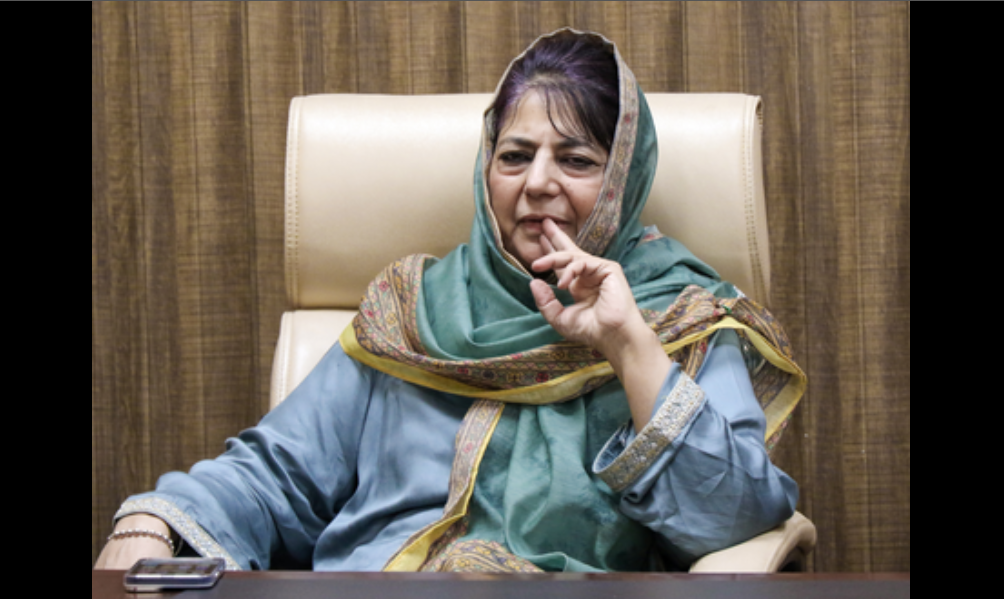
The Andaman and Nicobar Islands are among a handful of regions in the country that have recorded an increase in Waqf properties over the past year, even as former Jammu and Kashmir Chief Minister and Peoples Democratic Party chief Mehbooba Mufti has alleged that more than 3.55 lakh Waqf properties are “missing” nationwide, citing figures from the newly updated UMEED database.
In a post on social media platform X, Mufti claimed that the comparison of Waqf property data between December 9, 2024, and December 6, 2025, points to a sharp nationwide decline in registered Waqf assets. She alleged that Jammu and Kashmir alone has seen a reduction of 7,240 Waqf property entries in the latest database, raising concerns about transparency and safeguarding of such assets.
However, data shared alongside her post indicates that the Andaman and Nicobar Islands are among the few Union Territories and states where Waqf properties have increased over the last year. Along with Andaman and Nicobar Islands, Maharashtra, Delhi, Bihar and Telangana have shown a positive difference in the number of registered Waqf properties when compared year-on-year.

The UMEED database screenshot referenced by Mufti highlights that most other states and Union Territories have recorded a negative difference, creating the impression that a large number of Waqf properties have either been removed or gone unaccounted for within a single year. Maharashtra shows the highest increase, with an addition of 26,238 Waqf properties over the previous year.
In Bihar, both Sunni and Shia Waqf properties have reportedly increased during the same period. Sunni Waqf properties in the state have risen by 3,117, while Shia Waqf properties have increased by 3,470, according to the figures cited.
On the other end of the spectrum, Uttar Pradesh has recorded the highest reduction in Waqf properties. The data shows a decline of 8,901 Shia Waqf properties and a reduction of 1,30,816 Sunni Waqf properties in the state. Chandigarh has recorded the smallest decline among regions showing a negative difference.

Jammu and Kashmir has also seen a notable drop, with Waqf properties decreasing by 7,240 entries, according to the database figures shared in the post. Mufti has described the trend as a matter of serious concern, particularly in the context of what she termed broader issues related to protection and management of Waqf assets.
While the data has sparked political debate at the national level, the increase recorded in Andaman and Nicobar Islands places the Union Territory among the few regions showing growth rather than decline in Waqf property records. Officials have not yet issued a formal clarification on the reasons behind the variations across states and Union Territories reflected in the UMEED database.
The UMEED database is intended to serve as a consolidated digital repository of Waqf properties across the country, allowing year-on-year comparisons and improved monitoring. The contrasting trends reflected in the latest data are likely to draw further scrutiny from policymakers, religious bodies and civil society groups in the coming days.