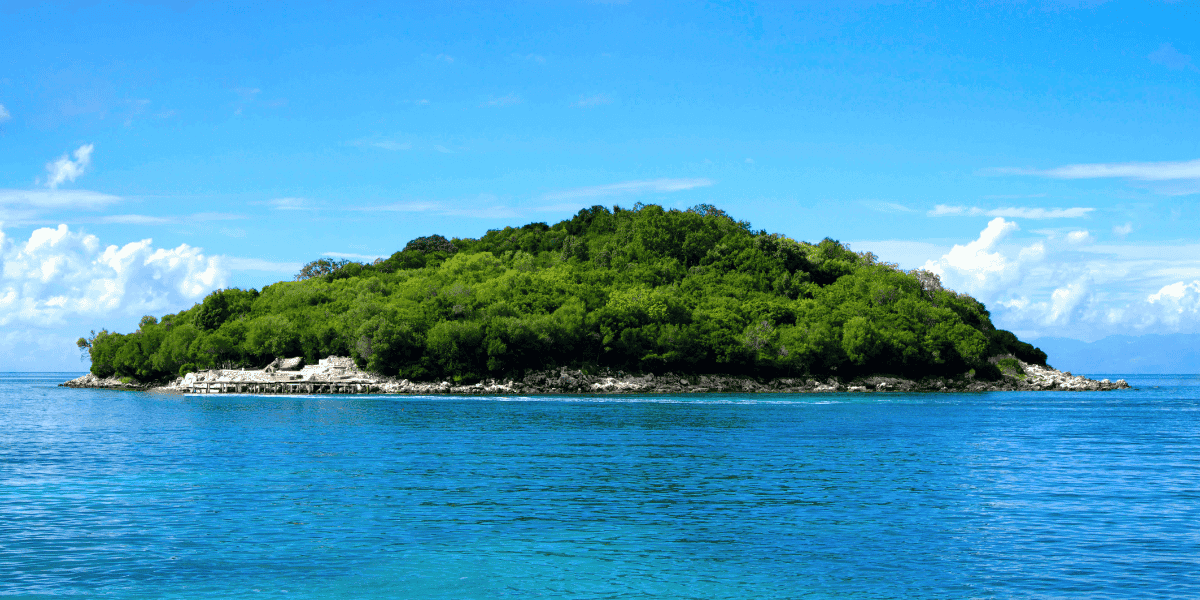
For generations, hundreds of islands and rocky outcrops scattered across the Andaman and Nicobar archipelago have existed without names, present on maps, yet absent from memory, story and identity. Now, in a move that places heritage directly in public hands, the Andaman and Nicobar Administration has opened a rare opportunity for islanders to help define how these lands are known, remembered and passed on.
In a large-scale public consultation undertaken in coordination with the Ministry of Home Affairs, the Administration has invited suggestions to name and standardise 596 unnamed islands and rocks from the total of 836 that make up the Union Territory. Far from being a routine bureaucratic exercise, officials describe the initiative as a chance to weave local history, culture and collective memory into official records.
Many of these islands currently carry no names or are known by overlapping, inconsistent references that create confusion in governance, navigation and documentation. The new exercise seeks clarity, but also meaning. By opening the process to the public, the Administration has signalled that names should not merely label geography, but reflect the soul of the islands themselves.

Islanders from all walks of life have been invited to participate. Members of tribal communities, ex-servicemen, students, teachers, historians, environmentalists and other residents are being encouraged to put forward ideas rooted in lived experience and shared heritage. The emphasis, officials say, is on ensuring that the final names resonate locally and stand the test of time, rather than emerging solely from administrative files.
Suggested names may draw inspiration from indigenous tribal heritage, freedom fighters, unsung martyrs, eminent national personalities, unique flora and fauna, geographical features or defining historical events. Participants are also free to propose original themes, so long as they carry cultural or historical relevance. Each submission must be accompanied by a brief justification of no more than 200 words, explaining why the proposed name belongs to that particular island or rock.
This requirement, authorities note, is meant to prompt thoughtful participation rather than symbolic gestures. The explanations will help evaluators assess historical accuracy, environmental sensitivity and cultural appropriateness, ensuring that naming today does not erase or distort narratives that belong to the islands and their people.
Suggestions can be submitted within 15 days from the publication of the notice, either in person, by registered post, or via email to the Department of Art and Culture, which has been designated the nodal agency for the exercise. All submissions will be processed as part of a public-interest initiative, following established procedures before final names are approved.

Beyond symbolism, the impact of this exercise is practical. Consistent and standardised naming plays a crucial role in navigation, disaster response, environmental conservation, scientific research and tourism planning. In a remote, strategically significant island territory, uniform nomenclature strengthens administrative efficiency while preserving context.
More importantly, the exercise reflects a broader shift in governance, one that invites citizens to participate in decisions tied to identity and inheritance. By asking people to help name the land itself, the Administration is effectively acknowledging that heritage does not belong to files or maps alone, but to the communities that live alongside it.
As the consultation unfolds, the naming exercise stands as an invitation, to remember forgotten fragments of land, to honour past stories, and to shape how future generations will speak of the islands they inherit.