The Health Department of the Andaman and Nicobar Administration has rolled out a coordinated awareness and capacity-building effort across South Andaman, combining a mobile Information, Education and Communication campaign on HIV and AIDS with a multi-day training programme for medical officers on adolescent-friendly health services.
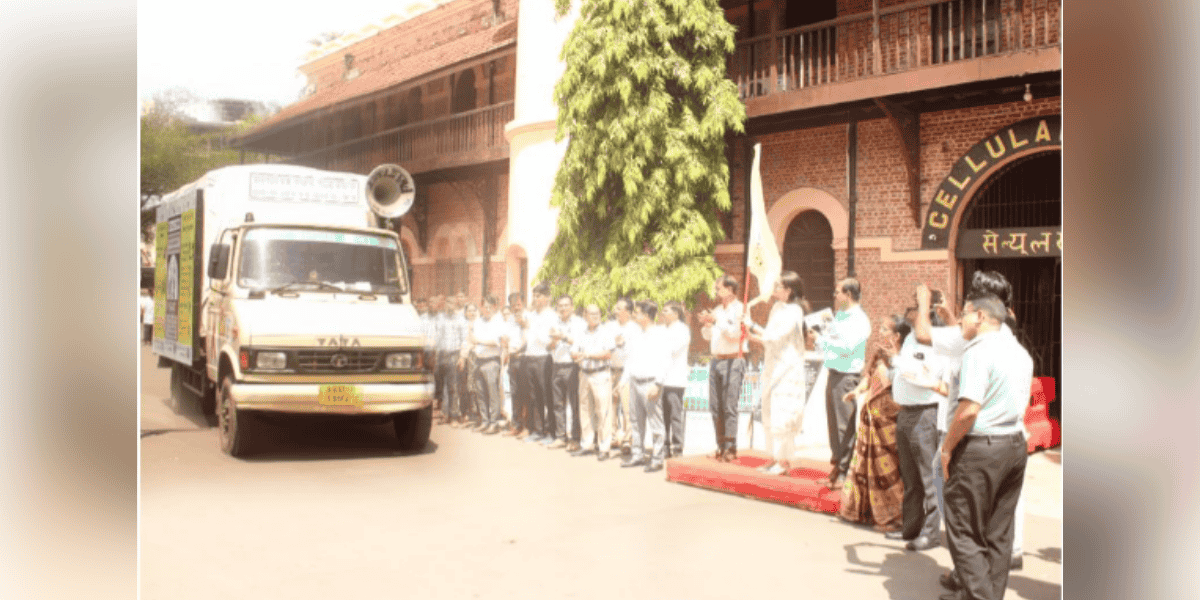
As part of the outreach initiative, the Andaman and Nicobar AIDS Control Society has launched an IEC van equipped with illuminated display boards and a public address system to disseminate information on HIV and AIDS. The mobile campaign is designed to take awareness messages directly to people in both urban and rural areas, focusing on accurate information related to transmission, prevention, testing and treatment services.
The six-day campaign, which began on February 26, is being conducted daily from 4 pm to 9 pm along designated routes across South Andaman. Health officials indicated that the mobile format allows the programme to reach areas with limited access to formal health communication channels, while also addressing stigma and misinformation surrounding HIV.

Alongside the awareness drive, the Health Department has also concluded a three-day training programme on Adolescent Friendly Health Services under the Rashtriya Kishore Swasthya Karyakram. The training, conducted from February 23 to 25, was aimed at medical officers and focused on broadening adolescent healthcare beyond conventional sexual and reproductive health interventions.
The training programme covered a wide spectrum of adolescent health concerns, including nutrition, injuries and violence, mental health, substance misuse, and non-communicable diseases. Participants were oriented on the need for adolescent-friendly clinics and the importance of creating a supportive and accessible environment for young people seeking both physical and mental health support.
Health officials overseeing the programme stressed the need for regular functioning of adolescent-friendly health clinics at medical institutions and emphasized the role of frontline health workers in encouraging adolescents to seek timely care without hesitation. The sessions were structured to strengthen clinical sensitivity, counselling skills and referral mechanisms for adolescent patients.

Resource persons for the training included faculty members and senior residents from the Andaman and Nicobar Islands Institute of Medical Sciences, specialists from obstetrics and gynaecology, and a clinical psychologist from G.B. Pant Hospital. The multidisciplinary approach was intended to reflect the diverse and interconnected health challenges faced by adolescents.
Officials noted that the parallel rollout of public awareness campaigns and professional training reflects a broader effort to strengthen preventive healthcare and early intervention mechanisms in the Islands. While the IEC van campaign focuses on community-level awareness and behavioural change, the training programme seeks to ensure that health institutions are equipped to respond effectively when individuals, particularly adolescents, seek care.
The combined initiatives are expected to contribute to improved health-seeking behaviour, early diagnosis and better continuity of care across age groups. By addressing both public awareness and institutional preparedness, the Health Department aims to reinforce its public health outreach while aligning with national health programme objectives.