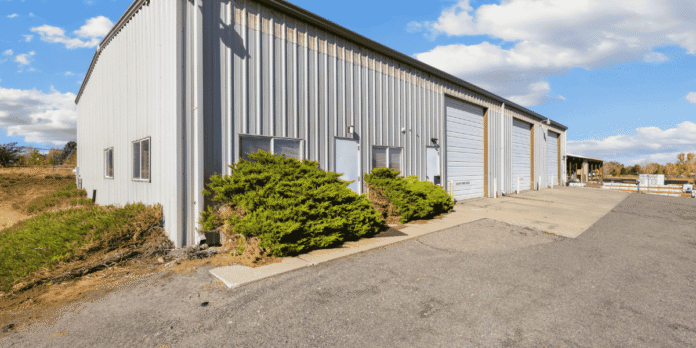
The absence of scientific warehousing infrastructure in the Andaman and Nicobar Islands has come under focus, with Member of Parliament Bishnu Pada Ray urging the local administration to urgently allot land for Central Warehousing Corporation facilities across all three districts of the Union Territory.
In a communication addressed to the Chief Secretary of the Andaman and Nicobar Administration, the MP called for early identification and allocation of suitable land to enable the establishment of warehousing and allied infrastructure by the Central Warehousing Corporation (CWC), a Government of India enterprise under the Ministry of Consumer Affairs, Food and Public Distribution. The request covers proposed locations at Kamaraj Nagar in South Andaman, Mayabunder in North and Middle Andaman, and Car Nicobar in Nicobar district.
The issue assumes significance in view of the islands’ geographical isolation and logistical constraints, which affect storage, transport and supply of essential commodities. According to the communication, the lack of adequate facilities for scientific storage of foodgrains, pulses and other commodities, along with the absence of cold storage units, copra processing facilities and container yards, is emerging as a structural gap in the region’s supply chain system.

The MP pointed out that the Central Warehousing Corporation has been pursuing the matter with the local administration since 2023, but land availability has remained a key obstacle. The delay, he noted, has prevented the corporation from extending its infrastructure support to the islands, even as demand for organized storage and logistics facilities continues to grow.
The matter was also raised during a meeting of the Parliamentary Committee on Consumer Affairs, Foodgrains and Public Distribution held on January 8 and 9, 2026 at Swaraj Dweep in South Andaman. During the meeting, members expressed concern over the non-availability of land for the CWC, which has stalled the corporation’s plans to expand its warehousing network to the islands. The discussion highlighted the broader implications of infrastructure gaps on food security and price stability in remote regions.
In his communication, the MP underscored that the absence of scientific storage systems poses risks to uninterrupted supply chains, especially in a territory dependent on sea and air connectivity for essential goods. He noted that delays in land allotment have led the CWC to convey its inability to proceed with setting up facilities, which in turn is becoming a bottleneck in strengthening storage and logistics infrastructure.

The proposed facilities are expected to serve multiple functions beyond conventional warehousing. These include cold storage for perishable commodities, infrastructure for copra processing, container yards for handling cargo and other allied logistics support systems. Such infrastructure, if established, could improve handling, preservation and distribution of commodities, while reducing losses linked to inadequate storage conditions.
The communication also linked warehousing development to broader economic benefits. Improved storage and logistics, it said, would support farmers, traders and consumers by stabilizing supply flows and potentially moderating price fluctuations caused by delays, spoilage or transport disruptions. The MP urged the administration to treat the matter as most urgent, given its implications for food security and regional economic resilience.
Early land allotment, the communication added, would enable the Central Warehousing Corporation to initiate immediate action for setting up facilities and integrating the islands into the national warehousing network. The move is being positioned as a step toward addressing long-standing infrastructure gaps in the Union Territory’s storage and distribution ecosystem, particularly in the context of its remote location and vulnerability to supply chain disruptions.




