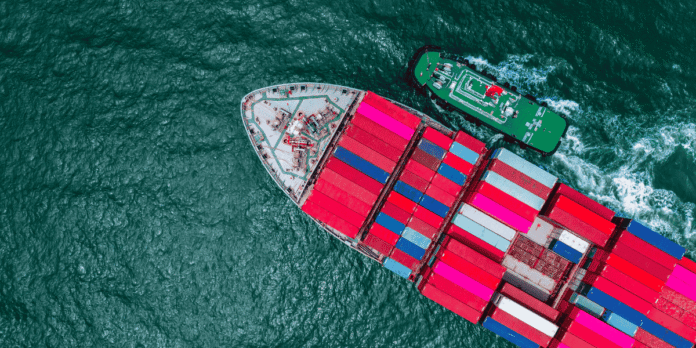
Sri Vijaya Puram (Port Blair) April 8: A sharp surge in marine bunker fuel prices has begun to strain the maritime lifeline of the Andaman and Nicobar Islands, pushing up operational costs and triggering concerns over rising freight rates, passenger fares, and supply of essential commodities.
Bunker fuel prices, which form a critical component of vessel operations, have increased steeply within a short span. The price stood at ₹86.00 per litre up to March 15, 2026, rose to ₹123.53 per litre between March 16 and March 31, and further climbed to ₹176.71 per litre from April 1, marking an increase of over 100 per cent.
With marine fuel accounting for nearly 30 per cent of operating expenses, the spike has forced vessel operators to revise tariffs. This has had a direct bearing on the transportation of essential goods from the mainland, inter-island connectivity, and the overall cost of living across the islands.

The maritime sector remains the primary mode of cargo and passenger movement in the region, including services linked to the Directorate of Shipping Services, making it central to the islands’ economic and logistical stability.
Amid this situation, the Andaman Ship Owners Association (ASOA) has submitted a representation to the Chief Secretary of the Andaman and Nicobar Administration, seeking rationalisation of the Value Added Tax (VAT) on marine bunker fuel.
In its submission, the association pointed out that while retail fuels such as petrol and diesel attract a VAT of 1 per cent and Aviation Turbine Fuel (ATF) has also been reduced to 1 per cent to support connectivity, marine bunker fuel continues to be taxed at 8 per cent.

The association stated that despite the critical role of the maritime sector, it continues to face a significantly higher tax burden. In the backdrop of sharply rising base fuel prices, the existing VAT structure further escalates operational costs.
ASOA has urged the Administration to bring VAT on marine bunker fuel at par with other essential sectors by reducing it to 1 per cent. It noted that such a move would help stabilise freight and passenger costs, reduce pressure on essential commodity prices, and support the sustainability of maritime operations in the geographically isolated islands.
The representation emphasised that the maritime sector remains the lifeline of the Andaman and Nicobar Islands and called for parity in tax treatment to ensure continued efficiency and affordability of services.