In a move aimed at strengthening sustainable agricultural practices in the Andaman and Nicobar Islands, the Department of Agriculture of the A&N Administration has conducted a specialised hands-on training programme focused on the mass production of bio-agents, emphasising eco-friendly alternatives to chemical pest control .
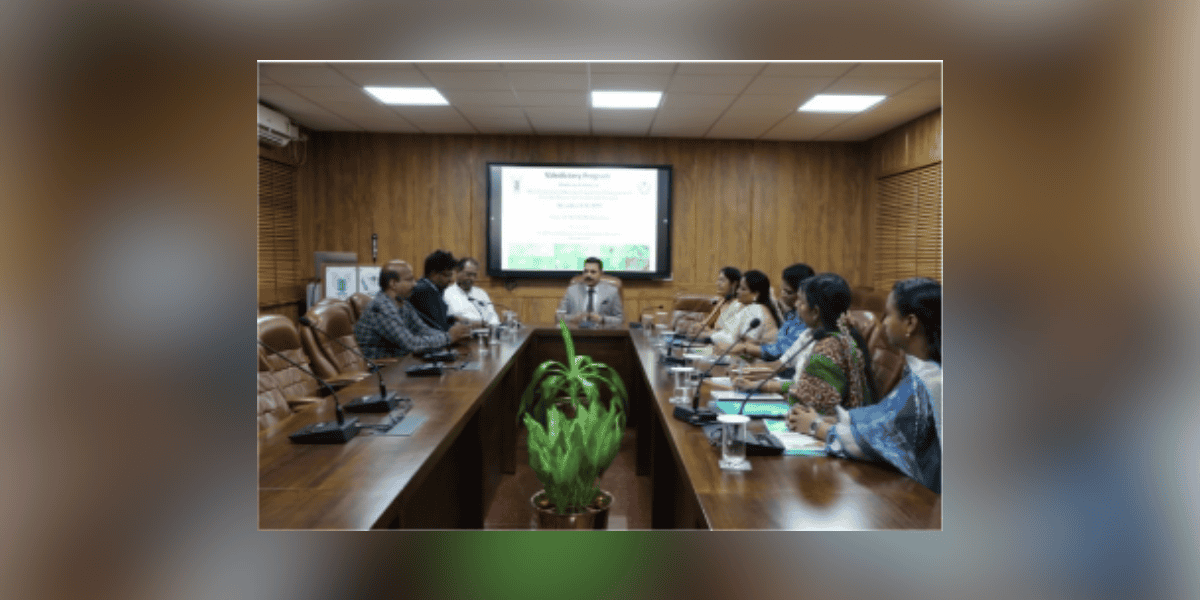
The three-day training was organised through the High Value Agriculture Development Agency under the National Horticulture Mission sub-scheme of the Mission for Integrated Development of Horticulture. Held from December 8 to 10 at the ICAR–National Bureau of Agricultural Insect Resources in Bengaluru, the programme was designed to enhance the technical capabilities of field-level agricultural officials engaged in pest management and crop protection activities.
Bio-agents, which include beneficial insects, fungi, bacteria and viruses, play a critical role in controlling harmful pests without causing environmental damage. Their use is particularly relevant in fragile ecosystems such as the Andaman and Nicobar Islands, where excessive reliance on chemical pesticides can adversely affect soil health, biodiversity and long-term farm productivity.

The training programme focused on providing participants with practical exposure to the mass production of bio-pesticides and natural predators. Special emphasis was placed on species relevant to coconut palms, one of the most important commercial crops in the Islands. Coconut cultivation supports a large section of the farming community, and pest-related losses have been a recurring concern in several pockets of the territory.
In addition to crop-specific applications, the sessions covered production technologies of microbial bio-control agents tailored to the unique climatic and ecological conditions of the Islands. Officials participated in hands-on demonstrations and interactive sessions aimed at translating laboratory-based knowledge into field-level application.
The initiative sought to equip agricultural personnel with the skills needed to independently produce and deploy bio-control agents, reducing dependence on external suppliers and chemical inputs. By strengthening in-house capacity, the department expects to improve the reach and consistency of eco-friendly pest management practices across farming clusters.
Experts from the host institute guided participants through the technical processes involved in culturing, maintaining and applying bio-agents effectively. Discussions also addressed challenges in scaling up production while maintaining quality and efficacy, an issue often faced when introducing biological alternatives to conventional pesticides.

The training is expected to have a downstream impact on farmers, as trained officials serve as the primary interface between the administration and the agricultural community. Improved technical knowledge at the field level is likely to support wider adoption of sustainable pest management techniques and encourage farmers to transition towards environmentally responsible practices.
With increasing emphasis on climate-resilient and sustainable agriculture, the programme aligns with broader policy objectives of promoting low-input, high-value farming systems in ecologically sensitive regions. The Department of Agriculture has indicated that such capacity-building initiatives are integral to ensuring long-term agricultural sustainability in the Islands.
The focus on bio-agents reflects a gradual shift in agricultural extension strategies, moving away from chemical-intensive approaches towards methods that balance productivity with environmental conservation. As trained officials return to their respective postings, the administration anticipates improved advisory services and greater farmer confidence in adopting bio-based solutions.