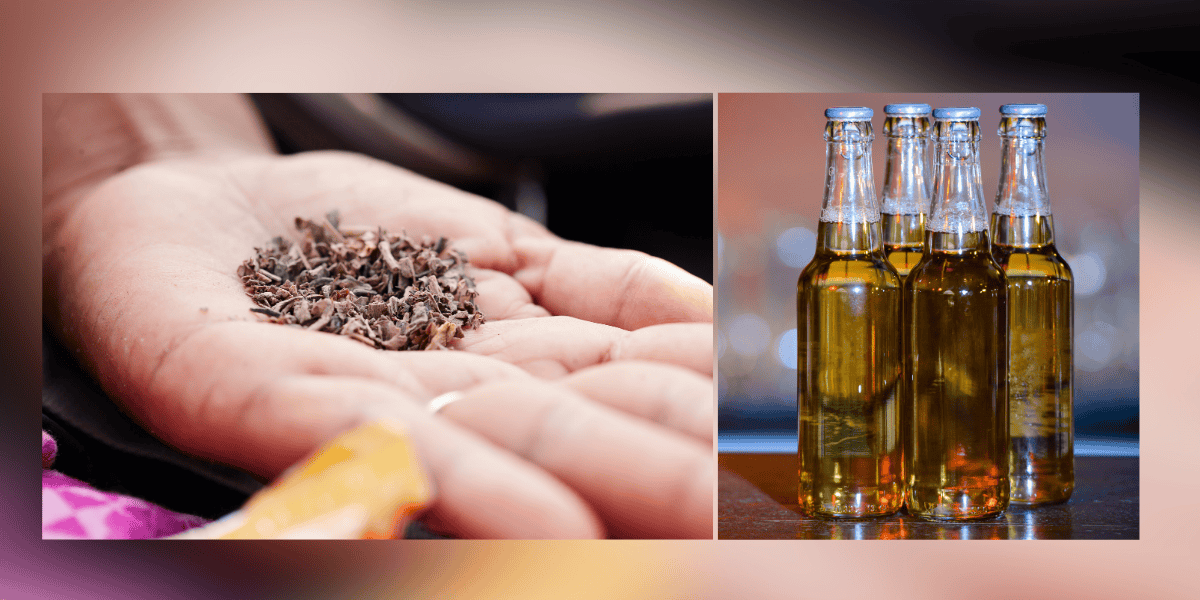
More than six out of every 10 cases of mouth cancer in India are linked to alcohol consumption, particularly locally brewed liquor, often in combination with the chewing of smokeless tobacco products such as gutkha, khaini, and paan, according to a large study published on Wednesday.
The study, conducted by researchers from the Centre for Cancer Epidemiology and the Homi Bhabha National Institute in Maharashtra, indicates that alcohol plays a significant role in increasing the risk of buccal mucosa cancer, the most common form of mouth cancer in the country. The findings were published in the open-access journal BMJ Global Health.
Researchers found that even very low levels of alcohol intake were associated with an increased cancer risk. Consumption of less than 2 grams of beer per day was linked to a higher likelihood of developing buccal mucosa cancer, while an intake of 9 grams of alcohol per day, roughly equivalent to one standard drink, was associated with an approximate 50 per cent increase in risk.

When alcohol use was combined with chewing tobacco, the two factors together accounted for about 62 per cent of all buccal mucosa cancer cases nationwide, the study said.
According to the findings, nearly 11.5 per cent of all buccal mucosa cancers in India are attributable to alcohol consumption alone. In states with a higher prevalence of the disease, including Meghalaya, Assam, and Madhya Pradesh, this proportion rises to around 14 per cent.
The research team, led by Grace Sarah George, noted that alcohol increased the risk of mouth cancer regardless of the duration of tobacco use. They explained that ethanol may alter the fat composition of the inner lining of the mouth, increasing its permeability and making it more susceptible to carcinogens present in chewing tobacco products.
The study also highlighted the elevated risk associated with locally brewed alcoholic beverages. Possible contamination with harmful substances such as methanol and acetaldehyde in unregulated local brews could partly explain the higher cancer risk, the researchers said.
India bears a substantial burden of mouth cancer, which is the second most common malignancy in the country. An estimated 143,759 new cases and 79,979 deaths are recorded annually. The incidence rate among men is just under 15 cases per 100,000, with rates having steadily increased over the years.
The most prevalent form of mouth cancer in India affects the buccal mucosa, the soft lining of the cheeks and lips. Survival outcomes remain poor, with only 43 per cent of patients living five years or longer after diagnosis.

The study analysed data from 1,803 patients diagnosed with buccal mucosa cancer and 1,903 individuals without the disease, selected as controls. Participants were drawn from five study centres between 2010 and 2021. Most were aged between 35 and 54, while nearly 46 per cent of cancer cases occurred among individuals aged 25 to 45.
Compared to non-drinkers, individuals who consumed alcohol had a 68 per cent higher risk of developing buccal mucosa cancer. The risk rose to 72 per cent among those consuming internationally recognised alcoholic beverages such as beer, whisky, vodka, rum, and flavoured drinks, and further increased to 87 per cent among those consuming locally brewed alcohol.
The researchers concluded that no level of alcohol consumption can be considered safe in relation to buccal mucosa cancer risk. They noted that preventive public health measures aimed at reducing both alcohol and tobacco use could significantly lower the incidence of mouth cancer in India.