A three-day online training programme aimed at strengthening crop production practices tailored to island conditions began on December 2 for officers and officials of the Department of Agriculture across the Andaman and Nicobar Islands.
The programme, titled “Package of Practices of Major Crops for Andaman and Nicobar Islands,” is being organised by the ICAR–Central Island Agricultural Research Institute and will continue till December 4. Officials from all zones of the department, including ATMA functionaries, are participating in the capacity-building initiative.
The training has been designed to address the unique agro-climatic and ecological conditions of the islands, which demand location-specific production technologies and management practices. Experts associated with the programme are expected to focus on practical and research-backed approaches to enhancing productivity while ensuring sustainability.

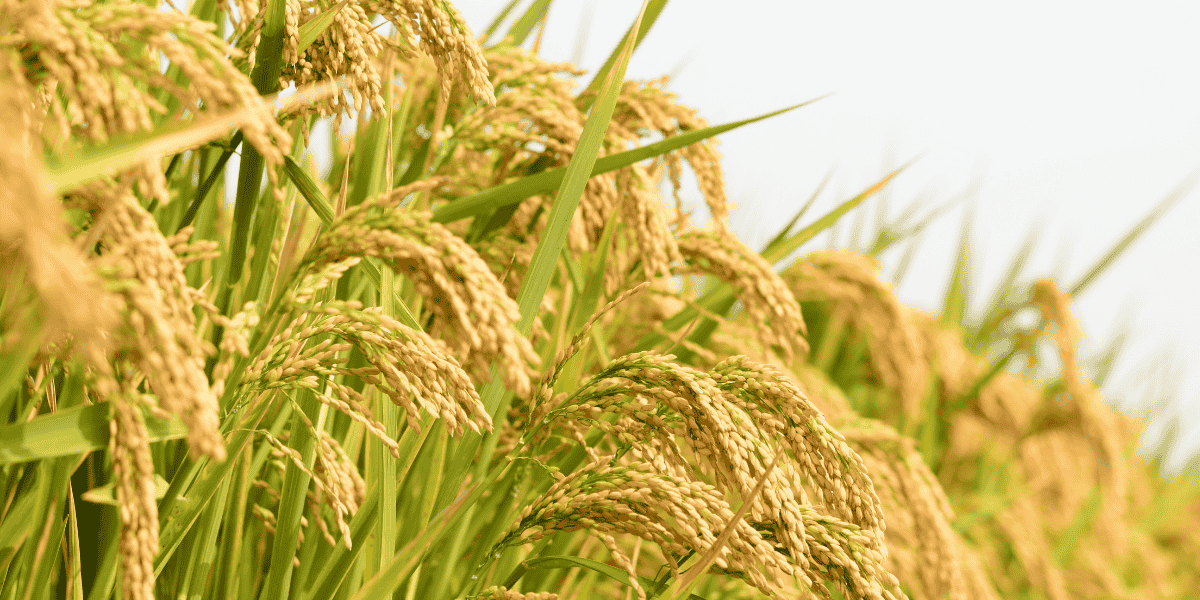
Over the course of three days, technical sessions will cover improved production technologies for major crops such as paddy, pulses, fruits, spices and vegetables. The programme will also address integrated nutrient and water management strategies, crop diversification models, protected cultivation techniques and integrated pest and disease management.
Crop management practices suited to island ecosystems form a key focus area, particularly in view of erratic weather patterns, soil conditions and space constraints faced by farmers. Officials attending the programme are expected to relay the knowledge gained to field-level extension activities.
A total of 89 officials from the Department of Agriculture have enrolled in the training, reflecting continued emphasis on skill enhancement and knowledge dissemination within the government machinery. Strengthening research–extension linkages remains a stated objective, ensuring that scientific advancements translate into on-ground improvements.

The programme also highlights the growing role of digital platforms in professional training, allowing officials from different regions of the islands to participate simultaneously without logistical constraints.
Agriculture officials indicated that such training initiatives are essential to meeting emerging challenges in food production and improving farm incomes in the islands. By focusing on island-specific solutions, the programme aims to promote resilient agricultural systems capable of supporting local needs.
The training is expected to contribute to improved advisory services and better implementation of crop development programmes across the territory.