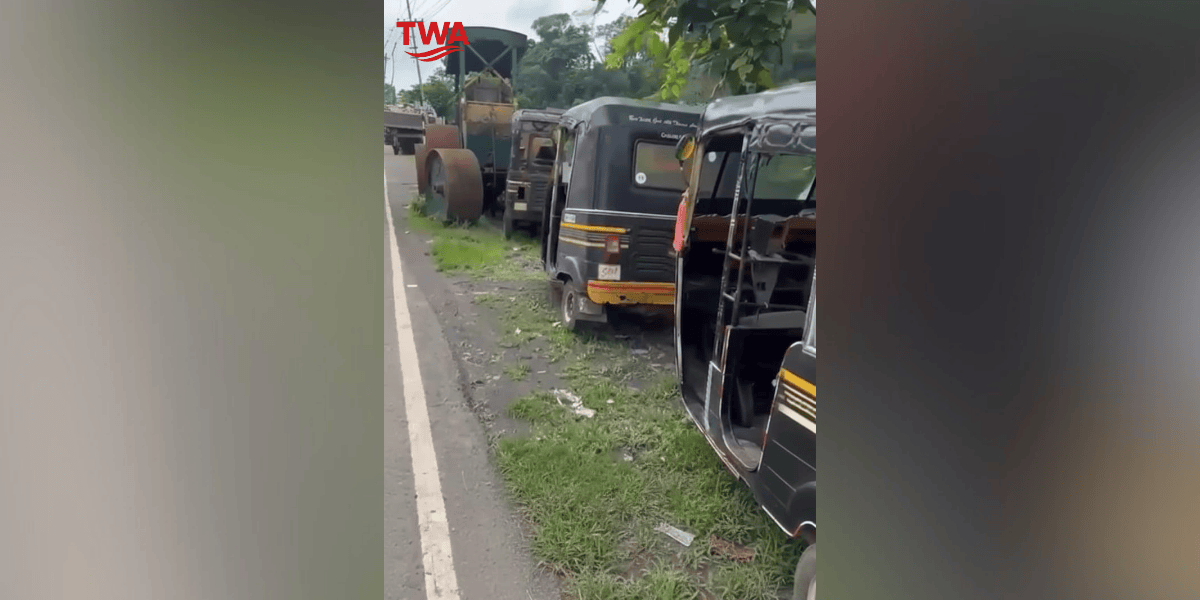
The Andaman and Nicobar Police has issued a detailed order outlining immediate steps to clear abandoned and damaged vehicles left along public roads, responding to a growing chorus of civic concern about derelict machinery occupying public spaces. The official communication, dated December 3, follows weeks of citizen discussions, complaints, and rising visibility of the issue across various stretches of the islands.
Recent observations by several residents, including the long-ignored stretch between Jodakalan and Sippighat, brought renewed attention to rusting autos, unused two-wheelers and a corroded roadside roller lying unattended for years. The Wave Andaman had highlighted the condition of these deteriorating vehicles, documenting how they had turned into permanent fixtures, collecting debris and vegetation, and posing safety, environmental and aesthetic concerns. The coverage reflected sentiments commonly expressed by commuters who frequently pass through the stretch.
The Traffic Police has already been engaged in removing abandoned vehicles from busy public roads. According to the department, a press release was issued on November 15, followed by social media advisories on X and Instagram urging owners to clear such vehicles within a week. These advisories cautioned that challans would be issued for obstructive parking after the one-week period, followed by towing of non-compliant vehicles. Vehicles remaining unclaimed for extended periods, the order states, will be prepared for public auction.

The official note also highlights that more than 50 abandoned vehicles have been cleared this year across different locations in Sri Vijaya Puram. The department stated that ongoing efforts will continue to ensure that public roads remain safe, unobstructed and visually clean. The latest order reinforces procedures for removal and establishes a clear enforcement timeline, signalling heightened administrative attention to the growing public concern around roadside neglect.
Residents along stretches such as Jodakalan-Sippighat have long expressed concern that abandoned vehicles reduce road visibility, hinder movement and, in some cases, encourage illegal dumping of waste around them. Derelict machinery left unattended for years often becomes difficult to trace to an active owner. Civic observers have noted that the absence of accountability tends to create pockets of neglect, which gradually become part of the landscape despite posing risks to pedestrians and motorists.
The Wave Andaman documented these concerns, drawing focus to how the abandoned structures had turned into silent, rusting markers of neglect. While the police order does not reference any specific report or complaint, the alignment between citizen concerns raised publicly and the issuance of the fresh enforcement timeline suggests that the issue has gained broader administrative priority. The renewed attention and procedural clarity offer an opportunity to resolve a problem that has been allowed to persist across multiple localities.

The police order also emphasises public participation, urging vehicle owners not to leave their two-wheelers or autos unattended on roadsides. Officials note that effective road management depends on timely removal of derelict vehicles, especially on stretches with high daily movement. Strengthening roadside discipline, they say, will support cleaner, safer and more orderly traffic conditions across the islands.
As the one-week compliance period takes effect, transport authorities are expected to begin issuing challans and towing abandoned vehicles that remain along public roads. The coming days will indicate how comprehensive the enforcement becomes and whether stretches long affected by neglected vehicles finally see clearance. For now, the latest police communication signals a firmer administrative stance on an issue that has steadily moved into public focus, including through recent field reporting.