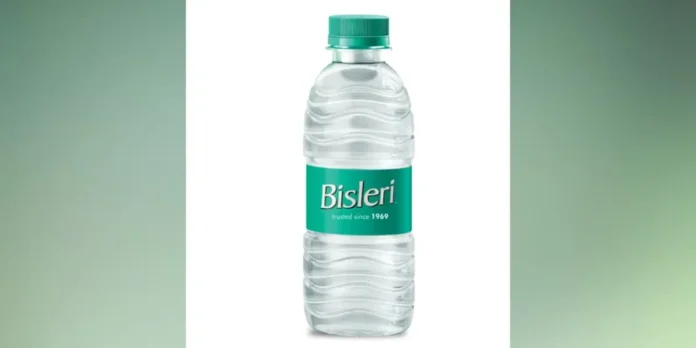
Kolkata, Nov 28: The Food Safety and Standards Authority of India (FSSAI) has authorised a second prosecution against packaged drinking water manufacturer Bisleri International within a week after laboratory tests detected coliform bacteria in a water sample collected from its Jalpaiguri plant in West Bengal, raising fresh concerns over packaged drinking water safety. Both the primary and referral laboratories confirmed the bacterial contamination, according to sources.
The latest regulatory action concerns a sample collected from the company’s facility in Telipara village, Jalpaiguri district. The findings prompted the food safety regulator to authorise legal proceedings against Bisleri International Private Limited under the Food Safety and Standards Act, 2006.
The detection of coliform bacteria in both laboratory examinations forms the basis of the latest prosecution. The sample first underwent initial testing, following which the company sought a second examination after concerns emerged about its quality. The referral laboratory also confirmed the presence of the bacteria.

Coliform bacteria serve as indicators of possible contamination and can point to problems such as sewage leaks, damaged pipelines and other sources of contamination. Their detection in drinking water raises concerns about the quality and safety of the product supplied for public consumption.
The Jalpaiguri case follows another enforcement action involving Bisleri’s Goa facility. A water sample collected from the plant failed to meet prescribed safety standards, leading to a separate prosecution action against the company last Sunday. The two cases have brought samples from its West Bengal and Goa facilities under regulatory scrutiny within a short period.
The latest development also follows an earlier FSSAI action on August 12, when the regulator prohibited the sale of a particular batch of Bisleri packaged drinking water over quality concerns.
Sources said laboratory examinations in the cases under scrutiny had also detected bromate above the permissible limit, along with polynuclear aromatic hydrocarbons (PAHs). These findings were cited as violations of the food safety legislation, under which the affected water was declared unsafe.
In the earlier testing process, the company sought permission for an additional laboratory examination after receiving the initial report. The subsequent examination reportedly confirmed the violations, providing further grounds for regulatory action.

Bisleri, however, maintained that its packaged drinking water was safe for consumption. In a statement issued on Monday, the company said it would extend full cooperation to the FSSAI in resolving the matter.
The successive actions come as the national food safety regulator intensifies scrutiny of food and beverage manufacturers. Over recent months, the FSSAI has stepped up inspections and enforcement measures involving food business operators, energy drink manufacturers, alcoholic beverage producers and e-commerce companies.
The latest prosecution adds to the regulatory scrutiny facing packaged drinking water manufacturers, with laboratory findings from multiple facilities placing product quality and compliance with prescribed safety standards at the centre of the issue.