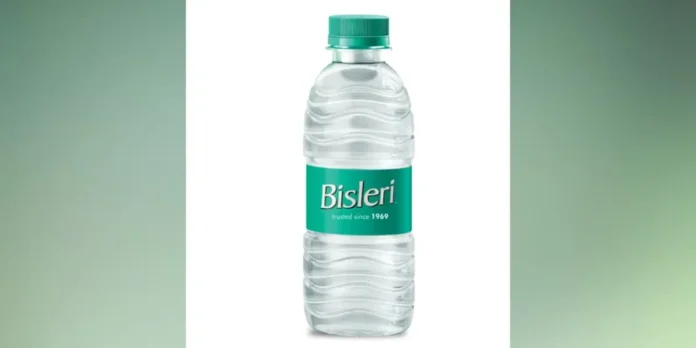
New Delhi, Nov 24: Bisleri International has said the Food Safety and Standards Authority of India’s (FSSAI) prohibition on the sale of its packaged drinking water applies to a single batch manufactured at its Goa plant in September 2025, after regulatory testing detected bromate levels above permissible limits and a subsequent referral laboratory test reported the presence of potentially harmful polynuclear aromatic hydrocarbons (PAHs).
The company said the affected batch, identified as GO 270, was no longer available in the market. It also maintained that subsequent testing found bromate levels within permissible limits and that the Goa facility continued operations without any suspension order from the regulator.
The clarification follows FSSAI’s announcement on Sunday that it had sanctioned prosecution against Bisleri International after a packaged drinking water sample failed laboratory testing due to excessive bromate. A subsequent examination by a referral laboratory also detected PAHs, compounds identified by the regulator as posing a health risk.

FSSAI clarified on Monday that the referral laboratory’s report must be treated as final under the law when a food business operator appeals against an earlier laboratory finding. The regulator said its prohibition order applied specifically to batch GO 270 and that only one batch had been found non-compliant. It also directed the company to conduct a root cause analysis.
Bisleri said the batch was manufactured at its Goa facility on September 27, 2025, and that the regulator’s sale prohibition did not extend to its other products or manufacturing operations. The company said it produces more than 50,000 batches annually and operates 143 manufacturing plants, all of which it described as compliant with FSSAI regulations.
The company also disputed the findings from the subsequent testing. It said one of six samples examined during a retest reported the presence of PAHs, while another sample from the same batch met all prescribed parameters.

Bisleri said it had flagged discrepancies in the findings and requested a retest for PAHs in February 2026. It added that FSSAI had not detected adverse PAH findings in any samples tested across its manufacturing plants since then.
The regulatory findings and the company’s response centre on the safety of a specific batch of packaged drinking water. While Bisleri has maintained that the affected stock is no longer in circulation, FSSAI’s clarification establishes that the prohibition remains linked to the identified batch, following the referral laboratory’s findings.