New Delhi, Nov 19: India is emerging as a strategic player in a global oil market increasingly shaped by supply disruptions, sanctions and shifting trade routes, with its position as the world’s third-largest crude importer and the scale of its refining capacity giving it access to supplies from competing producers, according to a paper published in Global Outlook. The report identifies India’s ability to process crude from Russia, the United States and the Americas as a significant factor in the changing energy landscape.
The paper argues that the Organisation of the Petroleum Exporting Countries (OPEC) has lost much of its influence over global oil pricing, as disruptions in the Strait of Hormuz and the United Arab Emirates’ departure from the cartel have weakened its supply control and institutional unity.
It describes the emerging market as multipolar, with US shale production influencing marginal supply, Russian crude reaching buyers through alternative shipping networks and American sanctions decisions increasingly affecting oil flows.
India occupies a central position in this changing system, the report states. It sources crude from all three major supply channels and processes discounted, sanctioned or otherwise stranded supplies through Reliance Industries’ Jamnagar refining complex, which has a capacity of 1.4 million barrels per day. The paper says the refinery converts such crude into fuels that reach Western markets.

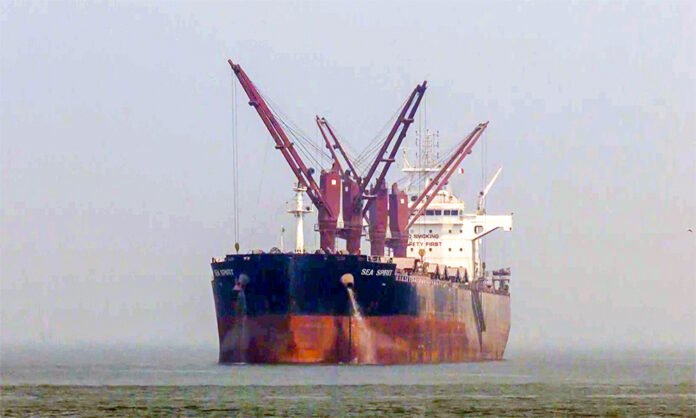
Russian oil remains part of global supply despite Western restrictions, but its trade routes have changed. The paper notes that the price cap on Russian oil was reduced to $44.10 per barrel from February 2026. However, around 60 per cent of Russia’s seaborne oil was transported through sanctioned shadow tankers in October.
India’s purchases of Russian crude have also shifted with changing supply conditions, rather than reflecting an ideological position, the report says. It notes that India pledged in February 2026 to stop buying Russian oil in exchange for an 18 per cent US tariff. Following the disruption of Hormuz shipping, Russian crude imports into India reached a record 2.8 million barrels per day in July, accounting for around 55 per cent of its total imports, with US waivers supporting the increase.
The paper attributes OPEC’s reduced pricing influence to the US-Israeli war on Iran, which began on February 28, 2026, and sharply disrupted traffic through the Strait of Hormuz. Oil flows through the waterway fell from approximately 20 million barrels per day to almost zero, it states. The UAE left OPEC and OPEC+ on May 1, while announced quota increases by the group largely remained unimplemented.

The United States has meanwhile become the market’s swing supplier, according to the report. US crude production averaged a record 13.6 million barrels per day in 2025, around 40 per cent higher than output from either Russia or Saudi Arabia. The US Energy Information Administration forecasts production of 13.8 million barrels per day in 2026.
The paper identifies Jamnagar’s segregated export refinery and heavy-crude processing units as strategic assets. It says the complex helps maintain access to European Union and US product markets and has made India the largest destination for Venezuelan oil following the US removal of President Nicolas Maduro and its takeover of control of the country’s oil and gas fields.
The report recommends that India maintain supply options across Russia, the Americas and the Gulf, while treating refining capacity, storage infrastructure and payment channels as instruments of foreign policy.