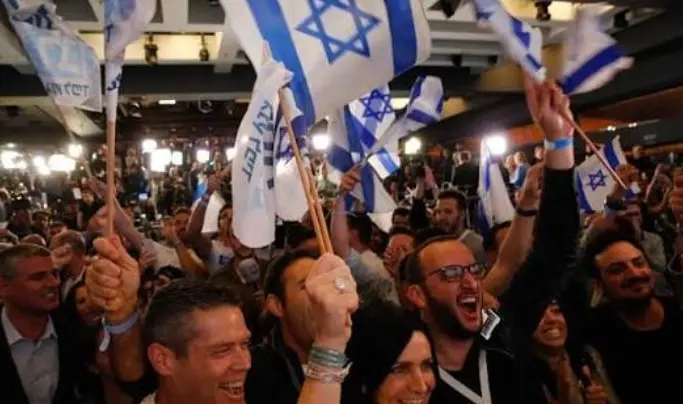
Jerusalem, October 27: Calls for peace, confidence in Israel’s future and appeals for greater voter participation marked the opening of voting for the country’s 26th Knesset, as citizens cast ballots amid a changing political landscape following the October 7, 2023, Hamas attack. With 7.3 million eligible voters registered nationwide, the election has emerged as a significant moment for a country whose political and public priorities have shifted since the 2022 polls.
Speaking to IANS, one voter said Israelis wanted peace rather than war, both within the country and across the world. The resident also described Israel as a democratic country, contrasting its political system with dictatorship.
Another young woman, who had voted and was returning from the polling station, expressed confidence in Israel’s strength and said she hoped the elected representatives would work towards a better future. She said she had voted for the political team she supported and wanted its preferred candidates, including women and men, to enter the Knesset and contribute to the country’s future.

A third resident urged all citizens aged 18 and above to participate in the election and use their vote to express their preferences. The voter called for broader participation, stressing that eligible citizens should turn out and exercise their democratic right.
Another resident described the contest as the most important election in Israel’s history, underscoring the significance attached to the outcome by some voters.
The scale of the electoral exercise was outlined by Central Election Commission Director General Dean Livne, who said authorities had arranged 12,018 regular polling booths, alongside 300 booths in special locations, including hospitals, prisons and military facilities.
Livne said officials had already printed 450 million ballot papers and would conduct the election across 12,335 locations nationwide. He put the election budget at approximately 700 million New Israeli shekels, equivalent to slightly less than $150 million.

The arrangements cover a nationwide electorate of approximately 7.3 million eligible voters, with polling stations established to facilitate participation across different settings.
The election is the first national electoral contest since the Hamas attack of October 7, 2023. It comes amid substantial changes in Israel’s political landscape and in the issues influencing voter choices since the previous elections in 2022.
While voters expressed differing views on the country’s strength, political representation and electoral significance, calls for peace and expectations of a better future featured prominently in their responses. The results will determine the composition of the 26th Knesset, Israel’s parliament.